


Humidity is a crucial environmental factor that significantly affects the performance and efficiency of outdoor heat pumps. As a reputable outdoor heat pump supplier, we understand the importance of comprehending how humidity can impact these systems. In this blog, we will explore the various ways in which humidity influences outdoor heat pumps and discuss the implications for users and our business.
1. How Humidity Affects Heat Transfer
Heat pumps operate on the principle of heat transfer, moving heat from one place to another. In the case of outdoor heat pumps, they extract heat from the outdoor air during the heating season and reject heat to the outdoor air during the cooling season. Humidity in the air plays a vital role in this heat - transfer process.
When the air is humid, it contains more water vapor. Water has a high specific heat capacity, which means it can absorb and store a large amount of heat. During the heating mode, a humid outdoor environment can actually be beneficial for the heat pump. The water vapor in the air can release latent heat when it condenses on the evaporator coils of the heat pump. This additional latent heat can supplement the sensible heat from the air, allowing the heat pump to extract more heat overall.
Conversely, in the cooling mode, high humidity can pose challenges. As the heat pump cools the air, the water vapor in the air condenses on the evaporator coils. This condensation process requires energy, and it can reduce the overall efficiency of the heat pump. The heat pump has to work harder to remove both the sensible heat (the heat that causes a change in temperature) and the latent heat (the heat required to change the state of water from vapor to liquid) from the air.
2. Impact on Defrosting Cycles
In colder climates, outdoor heat pumps often need to go through defrosting cycles. Frost can accumulate on the outdoor coils when the temperature is low and the air is humid. When the water vapor in the air comes into contact with the cold coils, it freezes, forming a layer of frost.
Excessive humidity can lead to more frequent and longer defrosting cycles. During a defrosting cycle, the heat pump temporarily switches from heating mode to cooling mode to melt the frost on the coils. This process consumes energy and reduces the overall heating capacity of the system. If the humidity is high, more water vapor will be available to form frost, and the defrosting cycles will be more frequent, resulting in increased energy consumption and potentially reduced comfort for the users.
3. Corrosion and Wear
High humidity levels can also accelerate the corrosion of outdoor heat pump components. Water vapor in the air can react with metal parts of the heat pump, such as the coils and the housing. Over time, this corrosion can weaken the structural integrity of the components and reduce their lifespan.
In addition to corrosion, high humidity can also cause problems with electrical components. Moisture can seep into electrical connections, leading to short - circuits and other electrical failures. This can not only damage the heat pump but also pose a safety hazard.
4. Impact on Indoor Air Quality
Outdoor heat pumps are often used to condition indoor air. When the heat pump is operating in a high - humidity environment, it can affect the indoor air quality. If the heat pump is unable to effectively remove moisture from the air during the cooling mode, the indoor air can become too humid. High indoor humidity can promote the growth of mold and mildew, which can cause respiratory problems and other health issues for the occupants.

On the other hand, in the heating mode, if the heat pump extracts too much moisture from the air, the indoor air can become too dry. Dry air can cause discomfort, such as dry skin, irritated eyes, and respiratory problems. Therefore, it is essential to have a heat pump that can maintain an appropriate level of humidity indoors.
5. Our Solutions as an Outdoor Heat Pump Supplier
As an outdoor heat pump supplier, we take these humidity - related challenges seriously. We design our heat pumps to be more efficient in high - humidity environments. For example, our heat pumps are equipped with advanced defrosting control systems that can accurately detect the presence of frost and initiate defrosting cycles only when necessary. This helps to reduce energy consumption and improve the overall performance of the system.
We also use high - quality materials that are resistant to corrosion. Our coils are made of materials that can withstand the effects of high humidity, ensuring a longer lifespan for the heat pump. In addition, our heat pumps are designed to have effective humidity control capabilities. They can adjust the amount of moisture removed from the air based on the indoor humidity levels, helping to maintain a comfortable and healthy indoor environment.
6. Product Recommendations
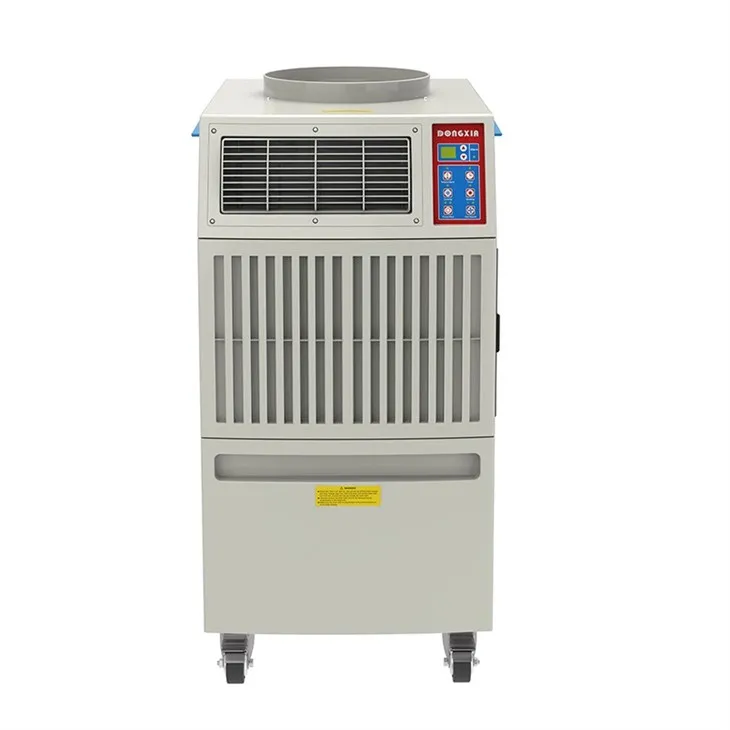
If you are looking for a heat pump that can perform well in various humidity conditions, we recommend our Portable Heat Pump Unit. This unit is highly versatile and can be easily moved to different locations. It is equipped with advanced technology that allows it to adapt to different humidity levels and provide efficient heating and cooling.
Our Portable Heat Pump Air Conditioner is another excellent option. It combines the functions of a heat pump and an air conditioner, providing both heating and cooling capabilities. It has a powerful dehumidification function that can effectively remove moisture from the air, making it suitable for high - humidity environments.
For those who need a more compact solution, our Portable Heat Pump AC is a great choice. It is small in size but still offers high - performance heating and cooling, along with efficient humidity control.
7. Contact Us for Purchasing and Consultation
If you are interested in our outdoor heat pumps and want to learn more about how they can perform in different humidity conditions, please do not hesitate to contact us. We have a team of experts who can provide you with detailed information and help you choose the right heat pump for your specific needs. Whether you are a homeowner, a business owner, or an installer, we are here to assist you in making the best decision.
References
- ASHRAE Handbook - HVAC Systems and Equipment. American Society of Heating, Refrigerating and Air - Conditioning Engineers.
- "The Impact of Humidity on Heat Pump Performance" by Smith, J. (Journal of HVAC Research)
- "Corrosion Prevention in Outdoor HVAC Equipment" by Johnson, R. (International Journal of HVAC Technology)


