


In the realm of modern industrial and commercial operations, efficient cooling solutions are not just a luxury but a necessity. Water and air cooling technologies have witnessed remarkable advancements over the years, offering enhanced performance, energy efficiency, and environmental friendliness. As a dedicated supplier of water and air cooled systems, I am excited to delve into the efficiency improvements that these technologies have achieved and how they benefit various industries.
Evolution of Cooling Technologies
Traditional cooling methods often suffered from inefficiencies, high energy consumption, and significant environmental impacts. For example, early air - cooled systems were noisy, had limited cooling capacities, and were not very energy - efficient. Water - cooled systems, on the other hand, required large volumes of water, which was not only a scarce resource in many regions but also led to high operating costs due to water treatment and pumping requirements.
However, with the advent of new materials, advanced engineering designs, and intelligent control systems, modern water and air cooled technologies have overcome many of these limitations.
Efficiency Improvements in Air - Cooled Technology
Advanced Heat Exchanger Designs
One of the most significant improvements in air - cooled technology is the development of advanced heat exchanger designs. Traditional heat exchangers had relatively low surface areas for heat transfer, limiting their efficiency. Modern heat exchangers, such as micro - channel heat exchangers, have a much higher surface - to - volume ratio. This allows for more effective heat transfer between the hot fluid inside the tubes and the ambient air flowing over the fins. As a result, air - cooled systems can now achieve higher cooling capacities with smaller heat exchangers, reducing the overall size and weight of the units.
High - Efficiency Fans
The fans used in air - cooled systems have also seen substantial improvements. New fan designs incorporate aerodynamically optimized blades that can move more air with less power consumption. Variable speed drives (VSDs) are commonly used in modern fans, allowing them to adjust their speed according to the cooling demand. This means that the fans do not have to run at full speed all the time, resulting in significant energy savings. For example, during periods of low cooling demand, the fans can operate at a reduced speed, consuming less electricity while still providing adequate cooling.
Intelligent Control Systems
Intelligent control systems have revolutionized air - cooled technology. These systems use sensors to monitor various parameters such as temperature, humidity, and airflow. Based on the data collected, the control system can adjust the operation of the air - cooled unit in real - time. For instance, if the ambient temperature drops, the control system can reduce the compressor speed or turn off some of the fans, thereby saving energy. Additionally, these control systems can diagnose faults and provide early warnings, enabling proactive maintenance and minimizing downtime.
Our Air - Cooled Product Offerings
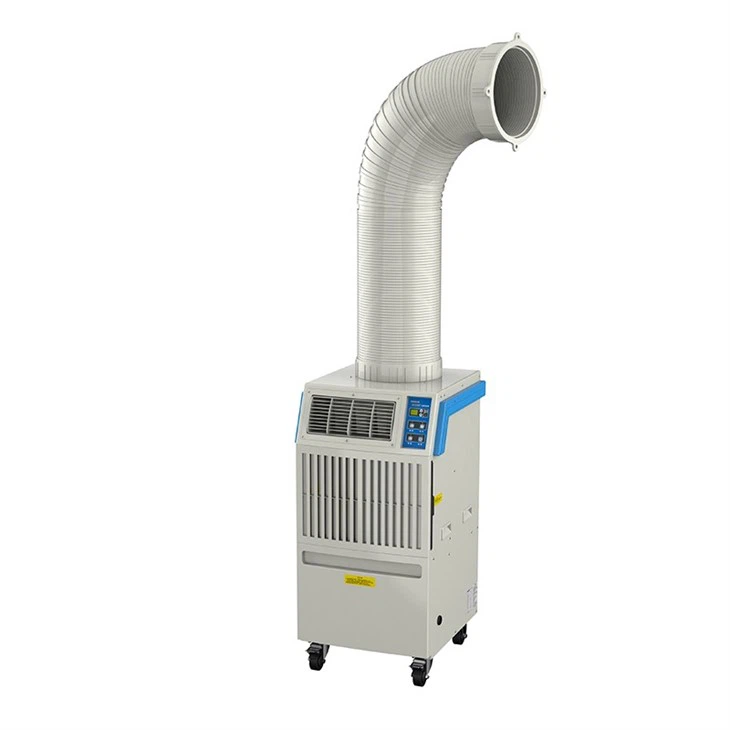
As a water and air cooled supplier, we offer a wide range of air - cooled products that incorporate these efficiency improvements. Our Facility Cooling Spot Cooler is designed for cooling large industrial facilities. It utilizes the latest heat exchanger and fan technology to provide efficient and reliable cooling. With its intelligent control system, it can adapt to different environmental conditions and cooling requirements, ensuring optimal performance at all times.
Our Outdoor Spot Cooler is specifically engineered for outdoor applications. It is built to withstand harsh weather conditions while maintaining high energy efficiency. The advanced design of the heat exchanger and the high - efficiency fans make it suitable for cooling outdoor venues, such as construction sites and outdoor events.
The Equipment Cooling Spot Cooler is ideal for cooling sensitive equipment. It provides precise temperature control to protect equipment from overheating, which can cause malfunctions and reduce the lifespan of the equipment. The intelligent control system ensures that the cooling is adjusted precisely according to the equipment's heat generation.
Efficiency Improvements in Water - Cooled Technology
Water Conservation Measures
Water - cooled systems have become more water - efficient in recent years. One of the key developments is the use of closed - loop water cooling systems. In a closed - loop system, the water is recirculated, and only a small amount of make - up water is required to replace the water lost due to evaporation. This significantly reduces the overall water consumption compared to open - loop systems.
Moreover, advanced water treatment technologies are used to prevent scale formation and corrosion in the water - cooled systems. This helps to maintain the efficiency of the heat transfer process and reduces the need for frequent water changes, further conserving water.
Energy - Efficient Pumps and Compressors
The pumps and compressors used in water - cooled systems have also become more energy - efficient. High - efficiency pumps are designed to move water with minimal energy loss. They use advanced motor technology and optimized impeller designs to achieve high pumping efficiency. Similarly, modern compressors in water - cooled refrigeration systems are more efficient, consuming less electricity while providing the same or higher cooling capacities.
Hybrid Cooling Solutions
Hybrid cooling solutions, which combine water - cooled and air - cooled technologies, have emerged as an efficient alternative. These systems use water - cooled condensers for the initial cooling stage, which is more energy - efficient when the ambient air temperature is high. When the ambient air temperature is lower, the air - cooled part of the system can take over the cooling process, reducing the need for water consumption. This hybrid approach allows for optimal use of both water and air resources, resulting in improved energy efficiency and reduced environmental impact.
Benefits of Modern Water and Air Cooled Technologies
Energy Savings
The efficiency improvements in modern water and air cooled technologies translate into significant energy savings. By using advanced heat exchangers, high - efficiency fans, pumps, and compressors, and intelligent control systems, these systems can operate at lower energy levels while still providing the required cooling. This not only reduces the electricity bills for end - users but also contributes to a more sustainable energy consumption pattern.
Environmental Sustainability
With the increasing focus on environmental protection, modern water and air cooled technologies play a crucial role. The water - conservation measures in water - cooled systems help to preserve freshwater resources. The reduced energy consumption also means lower greenhouse gas emissions, as most electricity generation still relies on fossil fuels in many parts of the world. Additionally, the use of ozone - friendly refrigerants in these cooling systems further enhances their environmental friendliness.

Improved Operational Reliability
The intelligent control systems and advanced component designs in modern water and air cooled technologies improve the operational reliability of the systems. They can detect and diagnose potential problems early, allowing for timely maintenance and reducing the risk of unexpected breakdowns. This ensures continuous operation of industrial and commercial processes that rely on these cooling systems.
Contact Us for Your Cooling Needs
If you are looking for efficient and reliable water and air cooled solutions, we are here to help. Our team of experts can provide you with customized cooling solutions based on your specific requirements. We have the experience and the technology to ensure that you get the best - performing cooling system for your application. Whether you need a facility cooling spot cooler, an outdoor spot cooler, or an equipment cooling spot cooler, we can offer you a high - quality product that meets your needs.
Contact us today to start a discussion about your cooling requirements and explore how our modern water and air cooled technologies can benefit your business. We look forward to working with you to provide the most efficient and effective cooling solutions.
References
- ASHRAE Handbook of Refrigeration. This handbook provides comprehensive information on refrigeration and cooling technologies, including the latest advancements in water and air - cooled systems.
- International Journal of Refrigeration. It publishes research papers on various aspects of refrigeration and cooling, which often cover the efficiency improvements in modern cooling technologies.
- Manufacturer's technical documents. These documents from leading manufacturers of water and air - cooled equipment offer detailed information on the features and performance of their products, including the efficiency - related improvements.


