


Hey there! As a supplier of air conditioning units, I've been thinking a lot about the impact these cool machines have on the environment. Let's dig into this topic and see what's up.
First off, let's talk about how air conditioning units work. They basically take heat from inside a room and move it outside. This process involves a refrigerant, which is a substance that absorbs and releases heat. In the past, many refrigerants were chlorofluorocarbons (CFCs) and hydrochlorofluorocarbons (HCFCs). These chemicals were great at cooling, but they were also really bad for the environment.
CFCs and HCFCs were found to be major contributors to the depletion of the ozone layer. The ozone layer is like a protective shield around the Earth that blocks harmful ultraviolet (UV) rays from the sun. When CFCs and HCFCs are released into the atmosphere, they rise up to the stratosphere and break down ozone molecules. This leads to a thinning of the ozone layer, which can cause all sorts of problems, like skin cancer, cataracts, and damage to crops and marine life.
Thankfully, the world has taken action to phase out the use of CFCs and HCFCs. The Montreal Protocol, an international agreement signed in 1987, set targets for reducing and eventually eliminating the production and consumption of these harmful substances. As a result, most air conditioning units today use hydrofluorocarbons (HFCs) instead.
HFCs don't deplete the ozone layer, but they do have another big problem: they're potent greenhouse gases. Greenhouse gases trap heat in the Earth's atmosphere, causing the planet to warm up. HFCs can be hundreds or even thousands of times more effective at trapping heat than carbon dioxide (CO2), which is the most well-known greenhouse gas.
When an air conditioning unit leaks or is disposed of improperly, the HFCs it contains can be released into the atmosphere. And with the growing demand for air conditioning around the world, especially in hot and humid regions, the amount of HFCs being released is increasing. This is a major concern for climate change.
But it's not all bad news. There are some steps that can be taken to reduce the environmental impact of air conditioning units. One of the most important things is to use more energy-efficient models. Energy-efficient air conditioners use less electricity to cool the same amount of space, which means they produce fewer greenhouse gas emissions.
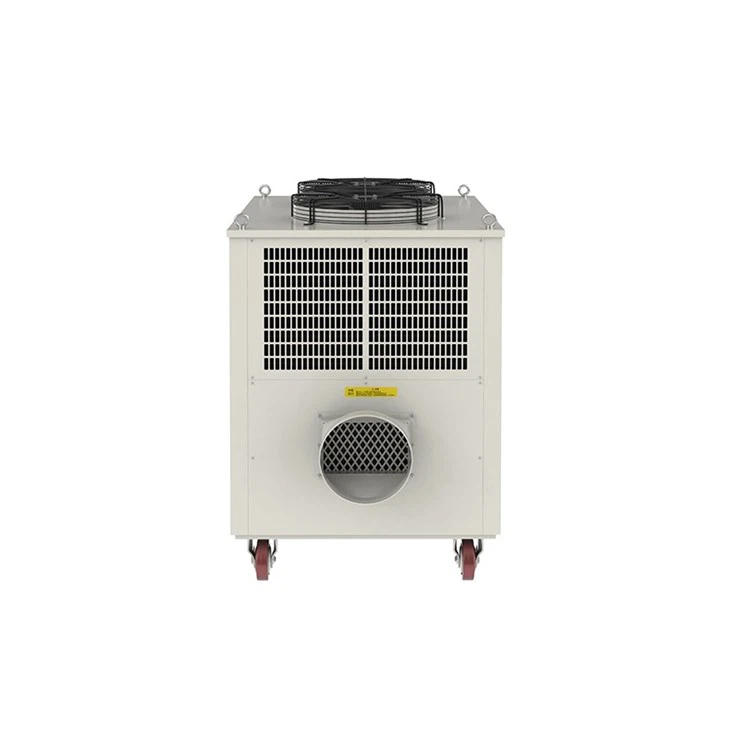
At our company, we offer a range of energy-efficient Outdoor Air Conditioning Units and Portable Air Conditioning Units. These units are designed to use the latest technologies to minimize energy consumption while still providing effective cooling. For example, some of our units use inverter technology, which allows the compressor to adjust its speed based on the cooling demand. This means the unit doesn't have to run at full capacity all the time, saving energy and reducing wear and tear.
Another way to reduce the environmental impact of air conditioning is to use natural refrigerants. Natural refrigerants, such as ammonia, carbon dioxide, and hydrocarbons, have a much lower global warming potential than HFCs. They're also non-toxic and non-flammable in most cases. However, there are some challenges to using natural refrigerants, such as the need for special equipment and safety precautions.
Proper maintenance and disposal of air conditioning units are also crucial. Regular maintenance can help prevent leaks and ensure that the unit is running efficiently. When it's time to replace an old air conditioner, it's important to have it disposed of properly to prevent the release of refrigerants into the atmosphere.
In addition to the direct environmental impact of air conditioning units, there's also an indirect impact related to the energy they consume. Most electricity is generated from fossil fuels, such as coal, oil, and natural gas. When we use more electricity to run our air conditioners, we're indirectly contributing to the emission of greenhouse gases from power plants.

To address this issue, we can look at using renewable energy sources to power our air conditioning units. Solar power is a great option, especially in sunny regions. By installing solar panels on our homes or buildings, we can generate clean, renewable electricity to run our air conditioners. This not only reduces our carbon footprint but also saves money on electricity bills in the long run.
As a supplier of air conditioning units, we have a responsibility to educate our customers about the environmental impact of these products and to provide them with solutions that are both effective and environmentally friendly. We're constantly working to improve the energy efficiency of our units and to explore the use of natural refrigerants.
If you're in the market for an air conditioning unit, I encourage you to consider the environmental impact when making your decision. Look for energy-efficient models, and ask about the type of refrigerant used. And remember, proper maintenance and disposal are just as important as the initial purchase.
If you have any questions or want to learn more about our Outdoor Air Conditioning Units or Portable Air Conditioning Units, feel free to reach out to us. We're here to help you find the right solution for your cooling needs while minimizing your impact on the environment.
Let's work together to keep cool and protect our planet at the same time!
References:
- "The Montreal Protocol on Substances that Deplete the Ozone Layer." United Nations Environment Programme.
- "Hydrofluorocarbons (HFCs): A Global Challenge and Opportunity." World Bank.
- "Energy Efficiency in Air Conditioning." International Energy Agency.


