


As a reputable supplier of Outdoor Air Conditioner, I often encounter customers who are confused about the differences between single-zone and multi-zone outdoor air conditioners. In this blog post, I'll delve into the characteristics, advantages, and disadvantages of both types to help you make an informed decision for your cooling needs.
Understanding Single-Zone Outdoor Air Conditioners
A single-zone outdoor air conditioner is designed to cool a single, specific area. It consists of an outdoor unit and an indoor unit that are connected by refrigerant lines, power cables, and a condensate drain. The outdoor unit houses the compressor, condenser, and fan, while the indoor unit contains the evaporator and a fan to distribute the cooled air.
How They Work
The basic principle of a single-zone air conditioner is relatively straightforward. The compressor in the outdoor unit compresses the refrigerant gas, raising its temperature and pressure. The high-pressure gas then flows to the condenser, where it releases heat to the outside air and condenses into a liquid. The liquid refrigerant then passes through an expansion valve, which reduces its pressure and temperature. It then enters the indoor unit's evaporator, where it absorbs heat from the indoor air, cooling it down. The cooled air is then blown back into the room by the indoor fan, while the refrigerant returns to the outdoor unit to repeat the cycle.
Advantages of Single-Zone Air Conditioners
- Cost-Effective: Single-zone air conditioners are generally more affordable than multi-zone systems. They require less equipment and installation work, which can result in significant cost savings, especially for small spaces.
- Energy Efficiency: Since they are designed to cool a single area, single-zone air conditioners can be highly energy-efficient. They can be sized precisely to match the cooling load of the room, reducing energy waste.
- Simple Installation and Maintenance: The installation process for a single-zone air conditioner is relatively straightforward, and maintenance is also easier compared to multi-zone systems. There are fewer components to service, and troubleshooting is generally less complex.
Disadvantages of Single-Zone Air Conditioners
- Limited Cooling Area: As the name suggests, single-zone air conditioners can only cool one specific area. If you have multiple rooms or large open spaces that need cooling, you may need to install multiple units, which can increase costs and clutter.
- Lack of Flexibility: Once installed, a single-zone air conditioner is dedicated to cooling one room. You cannot easily redirect the cooling to other areas if your needs change.
Exploring Multi-Zone Outdoor Air Conditioners
Multi-zone outdoor air conditioners, also known as ductless mini-split multi-zone systems, are designed to cool multiple independent zones or rooms using a single outdoor unit. Each zone has its own indoor unit, which is connected to the outdoor unit by refrigerant lines.
How They Work
The outdoor unit of a multi-zone air conditioner operates similarly to that of a single-zone system. However, it is larger and more powerful to handle the cooling load of multiple zones. The refrigerant is distributed to each indoor unit through a series of refrigerant lines, and each indoor unit can be controlled independently. This allows you to adjust the temperature and fan speed in each zone according to your preferences.

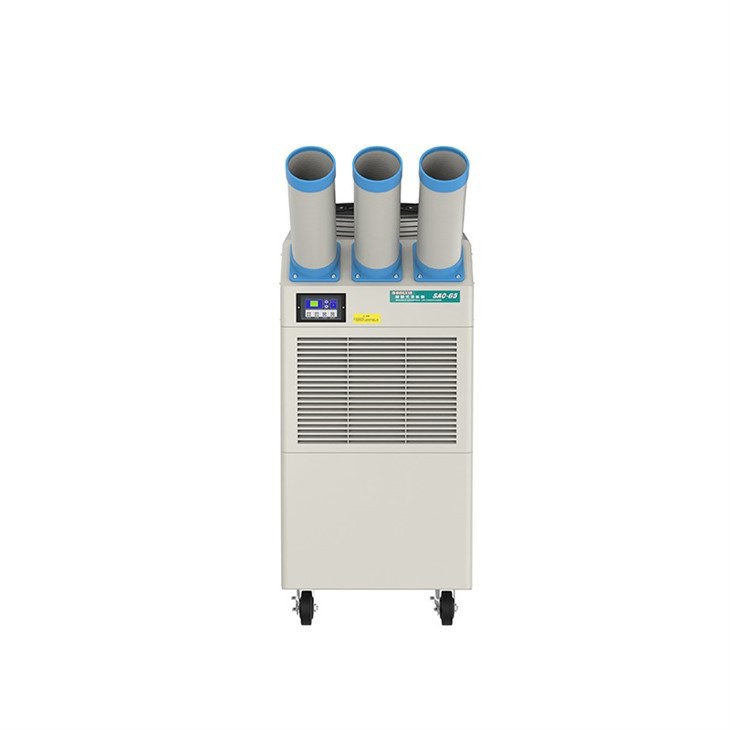
Advantages of Multi-Zone Air Conditioners
- Flexibility: One of the biggest advantages of multi-zone air conditioners is their flexibility. You can cool multiple rooms or zones with a single outdoor unit, and each zone can be controlled independently. This means you can adjust the temperature in each room based on its usage and occupancy, saving energy and increasing comfort.
- Zoning Capabilities: Multi-zone systems allow you to create different temperature zones in your home or office. For example, you can set a lower temperature in the bedrooms for a comfortable sleep and a higher temperature in the living room when it's not in use. This zoning feature can significantly reduce energy consumption and costs.
- Aesthetic Appeal: Since multi-zone air conditioners use ductless indoor units, they are more aesthetically pleasing than traditional ducted systems. The indoor units are typically small and can be mounted on the wall or ceiling, minimizing the impact on the room's decor.
Disadvantages of Multi-Zone Air Conditioners
- Higher Initial Cost: Multi-zone air conditioners are generally more expensive than single-zone systems. The cost of the outdoor unit, multiple indoor units, and installation can be significantly higher. However, the long-term energy savings and increased comfort may offset the initial investment.
- Complex Installation and Maintenance: Installing a multi-zone air conditioner requires more expertise and time compared to a single-zone system. There are more components to install and connect, and the refrigerant lines need to be carefully sized and routed. Maintenance is also more complex, as there are multiple indoor units to service.
Factors to Consider When Choosing Between Single-Zone and Multi-Zone Air Conditioners
- Cooling Requirements: Consider the size and layout of the area you need to cool. If you have a small, single-room space, a single-zone air conditioner may be sufficient. However, if you have multiple rooms or large open spaces, a multi-zone system may be a better choice.
- Budget: Your budget will play a significant role in your decision. Single-zone air conditioners are more affordable upfront, but multi-zone systems may offer long-term energy savings. Consider your long-term financial goals and weigh the initial cost against the potential savings.
- Energy Efficiency: If energy efficiency is a priority, both single-zone and multi-zone air conditioners can be energy-efficient if properly sized and installed. However, multi-zone systems have the advantage of zoning capabilities, which can further reduce energy consumption.
- Flexibility and Comfort: If you need the flexibility to cool multiple rooms independently or create different temperature zones, a multi-zone air conditioner is the way to go. On the other hand, if you only need to cool one specific area, a single-zone system may be sufficient.
Other Related Products
In addition to single-zone and multi-zone outdoor air conditioners, we also offer Portable Industrial Air Cooler and Portable Industrial Air Conditioner. These products are ideal for temporary cooling needs or areas where permanent installation is not feasible. Portable industrial air coolers are cost-effective and easy to move around, while portable industrial air conditioners offer more powerful cooling performance.
Conclusion
In conclusion, the choice between a single-zone and multi-zone outdoor air conditioner depends on your specific cooling needs, budget, and preferences. Single-zone air conditioners are cost-effective and energy-efficient for small, single-room spaces, while multi-zone systems offer flexibility and zoning capabilities for larger areas or multiple rooms. As a trusted supplier of outdoor air conditioners, we can help you evaluate your options and choose the right system for your needs.
If you're interested in learning more about our products or would like to discuss your cooling requirements, please feel free to contact us. Our team of experts is ready to assist you in making the best decision for your home or business.
References
- ASHRAE Handbook - HVAC Systems and Equipment. American Society of Heating, Refrigerating and Air-Conditioning Engineers.
- "Ductless Mini-Split Systems: An Overview." Energy.gov.


