


Yo, what's up! I'm an outdoor heat pump supplier, and today I wanna chat about how an outdoor heat pump's condenser coil works. It's a pretty cool (or should I say, hot) topic that's super important for anyone looking into heat pumps.
Let's start with the basics. A heat pump is like a magic box that can both heat and cool your place. It moves heat from one place to another, depending on whether you need it warm or cold. And the condenser coil is a key player in this whole process.
So, what exactly is a condenser coil? Well, it's basically a big metal coil filled with refrigerant. The refrigerant is like the blood of the heat pump system. It absorbs and releases heat as it circulates through the system.
When the heat pump is in cooling mode, here's how the condenser coil does its thing. First, the refrigerant comes into the condenser coil as a high-pressure, high-temperature gas. This happens after it has absorbed heat from inside your building in the evaporator coil. The compressor in the heat pump is what raises the pressure and temperature of the refrigerant.
Once the hot refrigerant gas enters the condenser coil, it starts to release heat. The coil is designed to have a large surface area, which helps in this heat - releasing process. As the refrigerant loses heat, it starts to condense. That means it changes from a gas to a liquid.
But how does the heat get out of the coil? That's where the outdoor fan comes in. The fan blows air over the condenser coil. As the air passes over the coil, it picks up the heat from the refrigerant. So, the hot air is then blown out into the outdoor environment, and the refrigerant inside the coil becomes a cooler, high - pressure liquid.
Now, when the heat pump is in heating mode, the process is kind of reversed. The refrigerant enters the condenser coil as a high - pressure, high - temperature gas again. But this time, instead of getting rid of heat to the outside, it releases heat into the indoor environment. The fan in the indoor unit blows air over the condenser coil, and the air absorbs the heat from the refrigerant. The refrigerant then condenses into a liquid and continues its journey through the system.
One of the really cool things about the condenser coil is its design. It's usually made of copper or aluminum. Copper is a great conductor of heat, so it helps the refrigerant transfer heat more efficiently. Aluminum is lighter and cheaper, and it also has good heat - conducting properties. Some condenser coils are even coated with special materials to prevent corrosion and improve their performance.
Another important factor is the fin design on the condenser coil. The fins are those little metal strips that stick out from the coil. They increase the surface area of the coil even more, which means more heat can be transferred. The fins can be made of different materials too, like aluminum, and they come in various shapes and sizes.
Now, I know you might be thinking, "Why should I care about all this technical stuff?" Well, understanding how the condenser coil works can help you make better decisions when it comes to buying an outdoor heat pump. For example, if you live in an area with a lot of humidity or salt in the air, you might want a condenser coil with a good anti - corrosion coating.
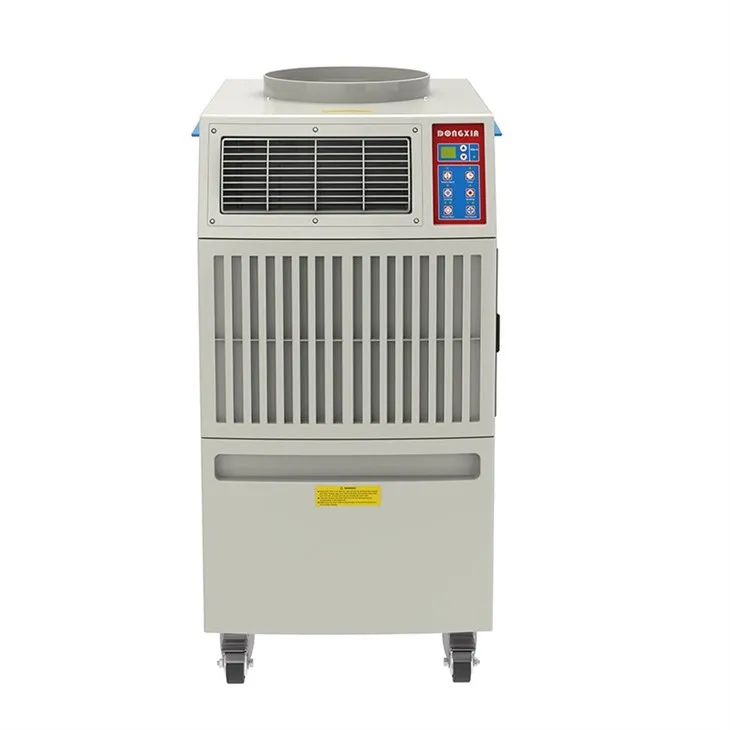
If you're in the market for a heat pump, check out our Portable Heat Pump Unit. It's a great option for those who need a flexible and efficient heating and cooling solution. And if you prefer something a bit different, our Portable Heat Pump Unit is also worth a look. We also have a Portable Heat Pump AC that can really cool things down when it's hot outside.
Maintaining the condenser coil is also crucial. Over time, dirt, dust, and debris can build up on the coil. This can block the airflow and reduce the coil's ability to transfer heat. So, it's a good idea to clean the condenser coil regularly. You can use a soft brush or a low - pressure hose to gently remove the dirt. Just be careful not to damage the fins.
In addition to cleaning, you also need to make sure that the outdoor unit has enough space around it. The fan needs to be able to draw in fresh air and blow out the hot air without any obstructions. If the unit is too close to a wall or other objects, the airflow will be restricted, and the heat pump won't work as efficiently.
Another thing to keep in mind is the refrigerant level. If the refrigerant level is too low, the heat pump won't be able to transfer heat properly. This can lead to poor performance and higher energy bills. So, it's important to have a professional check the refrigerant level regularly.
Well, that's a pretty in - depth look at how an outdoor heat pump's condenser coil works. I hope this has given you a better understanding of this important component of the heat pump system. If you're interested in our products or have any questions about heat pumps, don't hesitate to reach out. We're here to help you find the perfect heat pump solution for your needs. Whether you're looking to heat a small room or cool a large building, we've got you covered.

Let's start a conversation about your heat pump requirements. We can discuss the best options for your specific situation and help you make an informed decision. Looking forward to hearing from you!
References
ASHRAE Handbook - HVAC Systems and Equipment. American Society of Heating, Refrigerating and Air - Conditioning Engineers.
Kreider, J. F., & Rabl, A. (1994). Thermal Environmental Engineering. McGraw - Hill.


