


As a supplier of air conditioning units, I often encounter questions from customers about the multiple functions of these devices. One of the most frequently asked questions is whether air conditioning units help with air purification. In this blog post, I'll explore this topic in detail, providing a scientific and practical perspective to help you understand the relationship between air conditioning and air purification.
How Air Conditioning Units Work
Before delving into the air purification aspect, it's essential to understand how air conditioning units operate. At their core, these devices are designed to regulate temperature, humidity, and air circulation within a space. They work by extracting heat from the indoor air and transferring it outside, leaving the indoor environment cooler and more comfortable.
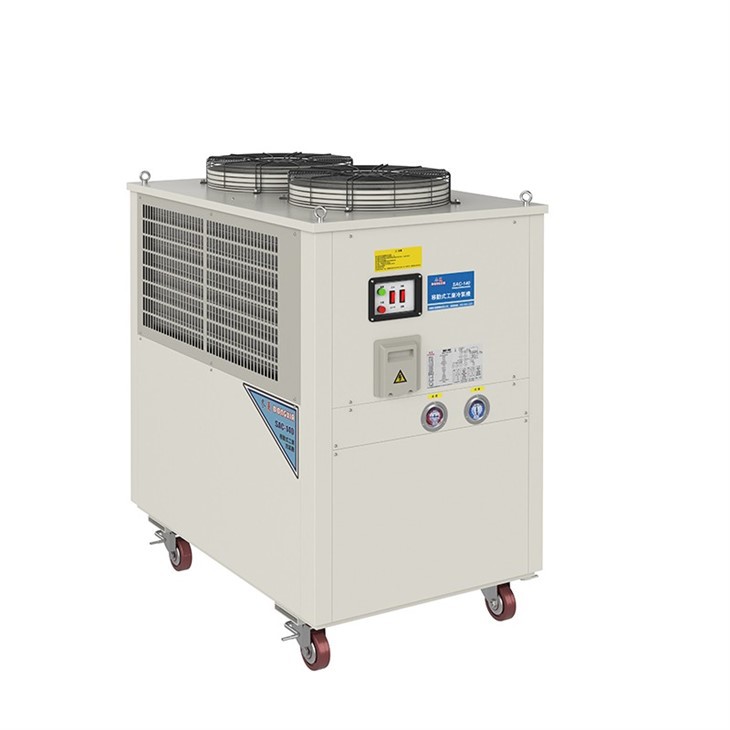
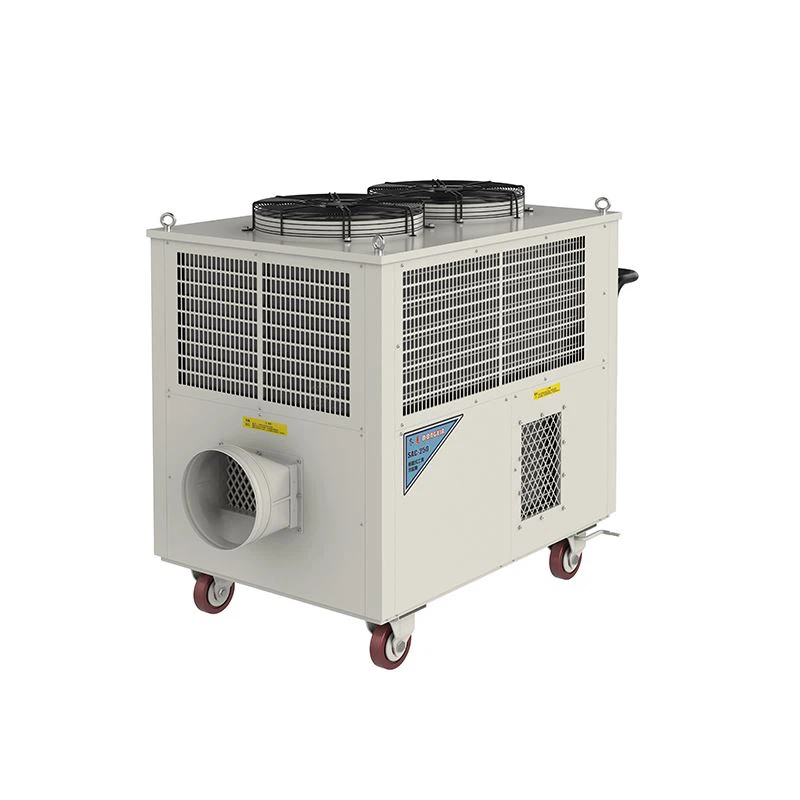
Most air conditioning systems, including Portable Air Conditioning Units and Outdoor Air Conditioning Units, consist of a compressor, condenser, evaporator, and expansion valve. The refrigerant, a special fluid, circulates through these components, absorbing and releasing heat as it changes state.
When the warm indoor air passes over the evaporator coils, the refrigerant inside the coils absorbs the heat from the air, cooling it down. The cooled air is then blown back into the room by a fan, while the heat absorbed by the refrigerant is transferred to the outdoor environment through the condenser coils.
Air Filtration in Air Conditioning Units
One of the ways air conditioning units can contribute to air purification is through their built - in air filters. These filters are designed to capture various particles and contaminants present in the air as it passes through the system.
The most common type of filter found in air conditioning units is the mechanical filter. These filters work on the principle of physical obstruction, trapping particles such as dust, pollen, pet dander, and some larger microorganisms. The effectiveness of a mechanical filter is often measured by its Minimum Efficiency Reporting Value (MERV). Filters with a higher MERV rating can capture smaller particles more effectively. For example, a MERV 8 filter can capture particles as small as 3 - 10 microns, while a MERV 13 filter can capture particles as small as 0.3 - 1 microns.
Some advanced air conditioning units are also equipped with high - efficiency particulate air (HEPA) filters. HEPA filters are extremely effective at capturing fine particles, including 99.97% of particles as small as 0.3 microns. This makes them very effective at removing allergens, smoke, and some bacteria and viruses from the air.
Limitations of Air Conditioning Filters for Purification
While air conditioning filters can play a role in air purification, it's important to note their limitations.
Firstly, the filters are only effective at capturing particulate matter. They are not designed to remove gaseous pollutants such as volatile organic compounds (VOCs), carbon monoxide, or nitrogen oxides. These gaseous pollutants require different types of air purification technologies, such as activated carbon filters or photocatalytic oxidation.
Secondly, the performance of the air filter depends on its maintenance. Over time, the filter can become clogged with captured particles, reducing its effectiveness. If the filter is not replaced or cleaned regularly, it can even become a breeding ground for mold and bacteria, which can then be circulated back into the air.
Thirdly, air conditioning filters are not a substitute for proper ventilation. In a closed environment, the air can still become stale and accumulate pollutants, even with a well - functioning air filter. Adequate ventilation is necessary to introduce fresh outdoor air and remove indoor pollutants.
Other Air Purification Technologies in Air Conditioning Units
In addition to air filters, some air conditioning units incorporate other air purification technologies to enhance their ability to clean the air.
One such technology is ultraviolet germicidal irradiation (UVGI). UVGI uses ultraviolet light to inactivate microorganisms such as bacteria, viruses, and mold. When the air passes through the UV - light chamber in the air conditioning system, the UV rays damage the DNA or RNA of these microorganisms, preventing them from reproducing and causing harm.
Another technology is ionizers. Ionizers work by emitting negatively charged ions into the air. These ions attach to positively charged particles such as dust and pollen, causing them to clump together and become heavier. The heavier particles then fall out of the air or are more easily captured by the air filter. However, some ionizers can also produce ozone as a by - product, which is a harmful air pollutant. Therefore, it's important to choose ionizers that are designed to minimize ozone production.
Real - World Impact on Air Quality
In real - world scenarios, the impact of air conditioning units on air purification can vary depending on several factors.
The size of the space and the air exchange rate are important considerations. In a small, enclosed room, an air conditioning unit with a good air filter can significantly improve the air quality by continuously circulating and filtering the air. However, in a large open space or a building with high levels of outdoor pollution, the air conditioning unit may need to be supplemented with additional air purification devices.
The type of pollutants present in the air also matters. If the main pollutants are particulate matter such as dust and pollen, an air conditioning unit with an appropriate filter can be quite effective. But if there are high levels of gaseous pollutants, more specialized air purification technologies will be required.
The Role of Air Conditioning in Controlling Humidity and Microorganisms
Apart from filtering particles, air conditioning units can also help control humidity levels, which is an important aspect of air purification. High humidity levels can create a favorable environment for the growth of mold, mildew, and some bacteria. By removing moisture from the air as part of the cooling process, air conditioning units can keep the humidity within a healthy range (usually between 30% - 50%).
When the warm, moist air passes over the cold evaporator coils, the water vapor in the air condenses on the coils and is drained out of the system. This not only helps to reduce the humidity in the room but also inhibits the growth of microorganisms that thrive in damp conditions.
Conclusion and Call to Action
In conclusion, air conditioning units can contribute to air purification to a certain extent through their built - in air filters and, in some cases, additional air purification technologies. However, they have limitations and are not a complete solution for all types of air pollutants.
If you are looking for a reliable way to improve the air quality in your home or workplace while enjoying the comfort of a cool environment, our range of air conditioning units can be a great choice. Our Portable Air Conditioning Units are perfect for small spaces and offer easy installation and mobility, while our Outdoor Air Conditioning Units are designed to provide efficient cooling and air filtration for larger commercial or industrial settings.
We understand the importance of clean air and are committed to providing high - quality air conditioning solutions that meet your specific needs. If you have any questions or would like to discuss your air conditioning and air purification requirements, please feel free to contact us. We look forward to the opportunity to work with you and help you create a healthier and more comfortable environment.
References
- ASHRAE (American Society of Heating, Refrigerating and Air - Conditioning Engineers). "ASHRAE Handbook - Fundamentals".
- EPA (Environmental Protection Agency). "Indoor Air Quality".
- "The Science of Air Filtration", Journal of Air Quality and Control.


