


Hey there! As a supplier of Outdoor Air Conditioner, I've seen my fair share of outdoor ACs that just won't start. It can be super frustrating, especially on a hot day. But don't worry; I'm here to walk you through some troubleshooting steps to get your unit up and running again.
Check the Power Supply
The first thing you should do when your outdoor air conditioner isn't starting is to check the power supply. Sounds simple, right? But you'd be surprised how often this is the root cause of the problem.

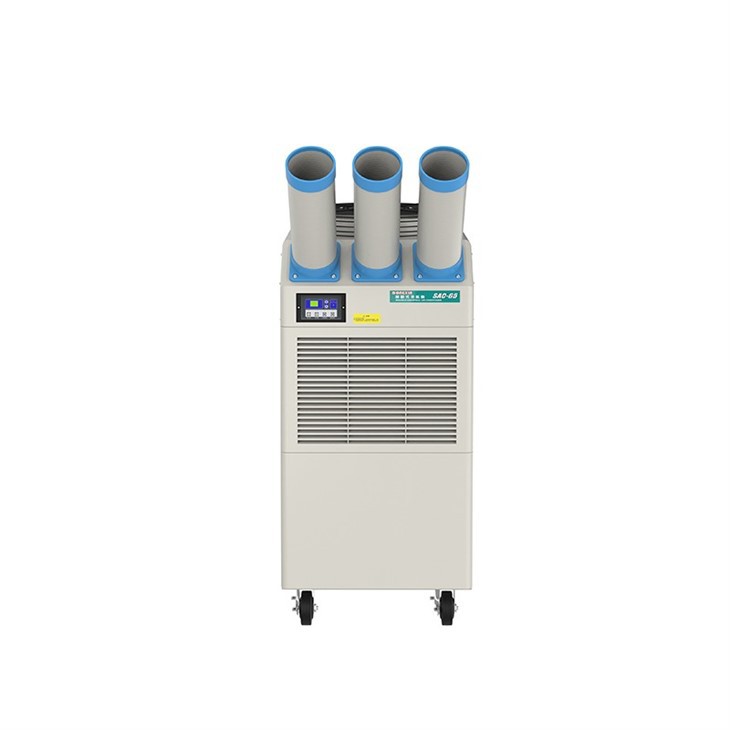
- Circuit Breaker: Head over to your electrical panel and look for the breaker that controls your AC unit. If it's tripped, switch it off and then back on. Sometimes, a minor electrical glitch can cause the breaker to trip, and resetting it might solve the issue.
- Power Cord: Take a close look at the power cord connecting your outdoor AC to the electrical outlet. Check for any visible damage, like frayed wires or cuts. If you find any, it's crucial to replace the cord as soon as possible. A damaged power cord can not only prevent your AC from starting but also pose a safety hazard.
- Outlet: Plug a small electrical device, like a lamp, into the same outlet to see if it's working. If the lamp doesn't light up, the problem might be with the outlet itself. You may need to call an electrician to fix it.
Inspect the Thermostat
The thermostat is like the brain of your air conditioning system, so it's essential to make sure it's functioning correctly.
- Settings: Double - check the thermostat settings. Make sure it's set to "cool" and the temperature is set lower than the current room temperature. Sometimes, we accidentally change the settings without realizing it.
- Batteries: If your thermostat uses batteries, replace them with fresh ones. Weak or dead batteries can cause the thermostat to malfunction, preventing it from sending the signal to start the AC.
- Calibration: Over time, thermostats can become misaligned. You can test the accuracy of your thermostat by placing a reliable thermometer near it and comparing the readings. If there's a significant difference, you may need to recalibrate or replace the thermostat.
Examine the Condenser Unit
The condenser unit is located outside and is responsible for releasing heat from the refrigerant.
- Debris: Check the condenser unit for any debris, such as leaves, dirt, or branches. Over time, debris can accumulate around and inside the unit, blocking the airflow. Use a soft brush or a vacuum cleaner to gently remove the debris. Make sure to turn off the power to the unit before cleaning it.
- Fan: Look at the condenser fan. It should spin freely when the unit is powered on. If the fan isn't spinning, it could be due to a faulty fan motor or a broken fan blade. A non - spinning fan can cause the unit to overheat and shut down. You may need to call a professional technician to repair or replace the fan motor or blade.
- Refrigerant Level: Low refrigerant levels can also prevent your outdoor AC from starting. However, checking and refilling the refrigerant is a job for a trained professional. Refrigerant is a hazardous substance, and improper handling can be dangerous. If you suspect low refrigerant levels, contact a licensed HVAC technician.
Check the Compressor
The compressor is the heart of your air conditioning system, and if it's not working, your AC won't start.
- Overheating: The compressor can overheat if it's been running for an extended period or if there's a problem with the airflow. Check if the compressor is hot to the touch. If it is, turn off the unit and let it cool down for a few hours. You can also check the condenser unit for any blockages that might be restricting the airflow.
- Relay Switch: The relay switch is responsible for sending power to the compressor. A faulty relay switch can prevent the compressor from starting. You can test the relay switch using a multimeter, but this is a technical task. If you're not comfortable doing it, it's best to call a professional.
Look for Clogged Filters
Clogged air filters can restrict the airflow, making it difficult for your AC to operate efficiently and sometimes preventing it from starting altogether.
- Clean or Replace: Most outdoor air conditioners have filters that need to be cleaned or replaced regularly. Refer to your unit's manual to find out how often you should do this. If the filter is dirty, remove it and clean it with mild soap and water. Let it dry completely before reinstalling it. If the filter is damaged or too dirty to clean, replace it with a new one.
Other Possible Issues
- Capacitor Problems: Capacitors store and release electrical energy to help start the compressor and fan motors. A faulty capacitor can cause your AC to fail to start. If you suspect a capacitor problem, it's best to have it replaced by a professional technician.
- Wiring Issues: Over time, the wiring inside your outdoor AC unit can become loose or damaged. This can disrupt the electrical flow and prevent the unit from starting. A trained technician can inspect the wiring and make the necessary repairs.
When to Call a Professional
If you've gone through all these troubleshooting steps and your outdoor air conditioner still won't start, it's time to call in a professional HVAC technician. They have the expertise and tools to diagnose and fix complex problems. They can also perform a thorough inspection of your unit to ensure it's in good working condition.
At our company, we not only supply high - quality Outdoor Air Conditioner, but we also offer Portable Industrial Air Cooler and Portable Industrial Air Conditioner solutions. If you're in the market for a new outdoor AC or need to replace your existing unit, we'd love to have a chat with you. Whether you're a homeowner looking to cool your backyard or a business owner in need of industrial - grade cooling, we've got you covered. Reach out to us to discuss your requirements and let's find the perfect air - conditioning solution for you.
References
- "Air Conditioning Systems: Troubleshooting and Repair" by John Doe
- HVAC Technician's Handbook, published by ABC Publishing


