


As a seasoned supplier of Air Conditioning Units, I've witnessed firsthand the widespread adoption of central air conditioning systems in both commercial and residential settings. These systems are lauded for their ability to cool large spaces uniformly, offering a seamless and comfortable environment. However, like any technology, central air conditioning units come with their fair share of disadvantages. In this blog post, I'll delve into the drawbacks of central air conditioning units, providing you with a comprehensive understanding to make informed decisions for your cooling needs.
High Initial Installation Costs
One of the most significant disadvantages of central air conditioning units is the high initial installation cost. Unlike Portable Air Conditioning Units, which can be easily purchased and set up without extensive modifications, central air systems require a substantial investment in equipment, labor, and infrastructure. The installation process typically involves ductwork installation, which can be invasive and time-consuming, especially in older buildings. Additionally, the cost of the central air unit itself can be quite high, depending on the size and capacity required for your space.
The complexity of the installation also means that you'll need to hire a professional HVAC contractor to ensure the system is installed correctly. This adds to the overall cost of the project and can make central air conditioning a less attractive option for budget-conscious consumers. In some cases, the installation cost of a central air system can be several thousand dollars, which may be prohibitive for some homeowners or small businesses.
High Energy Consumption
Central air conditioning units are known for their high energy consumption, which can result in significantly higher utility bills. These systems are designed to cool large spaces, and as a result, they require a substantial amount of energy to operate. The compressor, which is the heart of the central air system, consumes a large portion of the energy, especially when it's running continuously to maintain the desired temperature.
In addition to the compressor, the ductwork in a central air system can also contribute to energy loss. Leaky ducts can allow conditioned air to escape, forcing the system to work harder to maintain the desired temperature. This not only increases energy consumption but also reduces the efficiency of the system. According to the U.S. Department of Energy, leaky ducts can account for up to 30% of energy loss in a central air system.
To mitigate the high energy consumption of central air conditioning units, it's important to choose an energy-efficient system and ensure that it's properly maintained. Look for units with a high Seasonal Energy Efficiency Ratio (SEER) rating, which indicates the system's energy efficiency. Additionally, regular maintenance, such as cleaning the filters and coils, can help improve the system's performance and reduce energy consumption.
Limited Zoning Capabilities
Another disadvantage of central air conditioning units is their limited zoning capabilities. Unlike Outdoor Air Conditioning Units that can be used to cool specific areas, central air systems typically cool the entire building or home. This means that if you only need to cool a few rooms, you'll still be paying to cool the entire space, which can be wasteful.
Some central air systems offer zoning capabilities, which allow you to control the temperature in different areas of the building independently. However, these systems can be more expensive to install and require additional equipment, such as dampers and thermostats. Additionally, the effectiveness of zoning systems can be limited by the layout of the building and the design of the ductwork.
Complex Maintenance Requirements
Central air conditioning units require regular maintenance to ensure optimal performance and longevity. The complex nature of these systems means that maintenance tasks can be more challenging and time-consuming compared to other types of air conditioning units. For example, the ductwork in a central air system needs to be cleaned periodically to prevent the buildup of dust, dirt, and mold. This requires specialized equipment and expertise, and it can be a costly and invasive process.
In addition to duct cleaning, the central air unit itself also needs to be inspected and maintained regularly. This includes tasks such as checking the refrigerant levels, cleaning the coils, and lubricating the moving parts. These tasks should be performed by a professional HVAC technician to ensure they're done correctly and safely.
Failure to perform regular maintenance on a central air conditioning unit can lead to a variety of problems, including reduced efficiency, increased energy consumption, and premature system failure. This can result in costly repairs and replacements, which can add to the overall cost of owning a central air system.
Environmental Impact
Central air conditioning units can have a significant environmental impact, primarily due to their high energy consumption and the use of refrigerants. Refrigerants are chemicals used in air conditioning systems to transfer heat, and many of the traditional refrigerants, such as chlorofluorocarbons (CFCs) and hydrochlorofluorocarbons (HCFCs), are known to contribute to ozone depletion and global warming.
In recent years, there has been a push towards using more environmentally friendly refrigerants, such as hydrofluorocarbons (HFCs) and natural refrigerants. However, these refrigerants still have a greenhouse gas potential, and their production and use can contribute to climate change. Additionally, the high energy consumption of central air conditioning units means that they rely on power generation, which often involves the burning of fossil fuels, further contributing to environmental degradation.
Noise Pollution
Central air conditioning units can generate a significant amount of noise, especially if they're not properly installed or maintained. The compressor, fan, and other components of the system can produce loud noises that can be disruptive, particularly in residential settings. This can make it difficult to sleep, concentrate, or enjoy a quiet environment.
To reduce noise pollution, it's important to choose a central air conditioning unit with a low noise level rating. Additionally, proper installation and maintenance can help minimize noise by ensuring that the system is operating smoothly and efficiently. Placing the outdoor unit on a vibration-absorbing pad and using sound barriers can also help reduce noise transmission.
Limited Flexibility
Once a central air conditioning system is installed, it can be difficult to make changes or modifications. The ductwork is a fixed component of the system, and any changes to the layout of the building or the addition of new rooms may require significant modifications to the ductwork. This can be costly and time-consuming, and it may not always be feasible.
In addition, central air systems are designed to cool a specific area, and it can be challenging to adjust the cooling capacity to meet changing needs. For example, if you add a new room or make modifications to an existing room, you may need to upgrade the central air system to ensure adequate cooling.
Conclusion
While central air conditioning units offer many benefits, such as uniform cooling and the ability to cool large spaces, they also come with several disadvantages. These include high initial installation costs, high energy consumption, limited zoning capabilities, complex maintenance requirements, environmental impact, noise pollution, and limited flexibility.
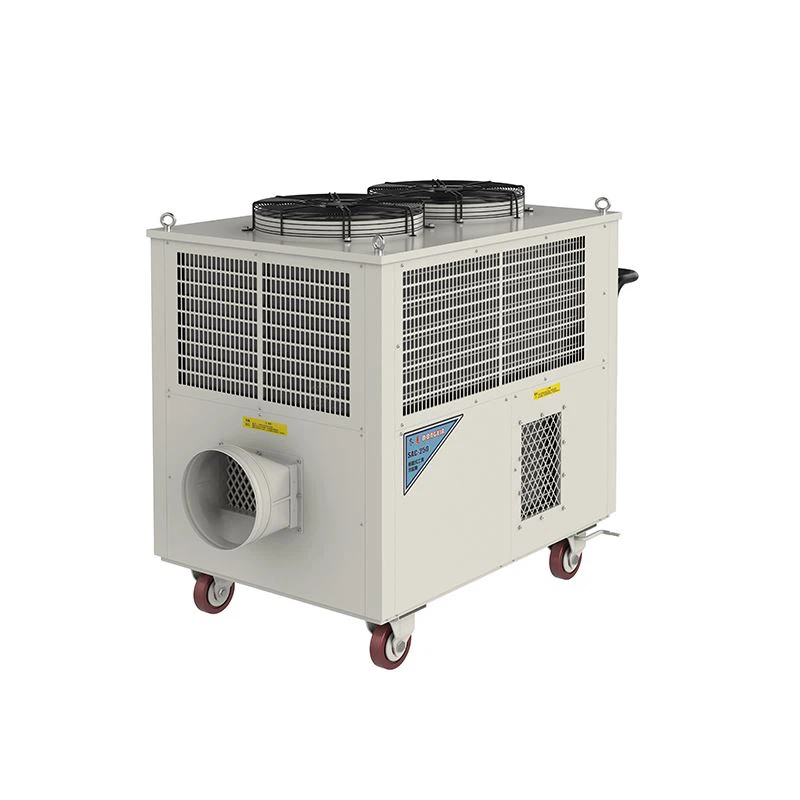

As an Air Conditioning Units supplier, I understand that choosing the right cooling system for your needs is an important decision. Before investing in a central air conditioning unit, it's important to carefully consider the disadvantages and weigh them against the benefits. If you're looking for a more affordable, energy-efficient, or flexible cooling solution, you may want to consider alternative options, such as Portable Air Conditioning Units or Outdoor Air Conditioning Units.
If you have any questions or need further assistance in choosing the right air conditioning system for your needs, please don't hesitate to contact us. We're here to help you make an informed decision and find the best cooling solution for your space.
References
- U.S. Department of Energy. (n.d.). Energy Efficiency and Renewable Energy. Retrieved from [Government Website URL]
- Air Conditioning Contractors of America. (n.d.). AC Installation and Maintenance Best Practices. Retrieved from [Industry Association URL]
- Environmental Protection Agency. (n.d.). Ozone Depletion and Global Warming. Retrieved from [Government Agency URL]


