


As a supplier of Portable Heat Pump AC, I've had the privilege of interacting closely with these devices and understanding their various aspects. While Portable Heat Pump ACs offer numerous advantages such as convenience and flexibility, it's essential to shed light on their disadvantages as well. This balanced view can help potential customers make more informed decisions.
Limited Cooling and Heating Capacity
One of the most significant drawbacks of Portable Heat Pump ACs is their limited cooling and heating capacity. Unlike large - scale Outdoor Heat Pump systems that are designed to handle large spaces, portable units are typically designed for small to medium - sized rooms. The cooling and heating output of a portable heat pump AC is often measured in British Thermal Units (BTUs). A typical portable unit may have a BTU rating ranging from 8,000 to 14,000 BTUs. This is suitable for a room size of around 150 - 350 square feet.
If you try to use a portable heat pump AC in a larger room, it will struggle to maintain the desired temperature. In summer, the room may not cool down sufficiently, and in winter, it may not be able to heat the space effectively. This inefficiency can lead to the unit running continuously, which not only increases energy consumption but also puts more wear and tear on the device, potentially shortening its lifespan.
Noise Levels
Portable Heat Pump ACs are generally noisier compared to their built - in counterparts. The compressor, fan, and other mechanical components in a portable unit generate a significant amount of noise during operation. This noise can be a major annoyance, especially in quiet environments such as bedrooms or offices.
The noise level of a portable heat pump AC is typically measured in decibels (dB). Most portable units operate at around 50 - 60 dB, which is comparable to the noise level of normal conversation. However, in a quiet room, this level of noise can be quite intrusive. Some users may find it difficult to sleep or concentrate with the constant humming and buzzing of the unit.
Venting Requirements
Another disadvantage of Portable Heat Pump ACs is their venting requirements. These units need to expel hot air outside during the cooling mode and cold air during the heating mode. To do this, they come with a venting hose that needs to be connected to a window or an external opening.
This venting process can be cumbersome and may limit the placement of the unit. You need to ensure that there is a suitable window or opening nearby, and the venting hose should be properly installed to prevent air leaks. Improper venting can reduce the efficiency of the unit and may also cause moisture buildup inside the room, leading to mold and mildew growth.
Energy Efficiency
Although Portable Heat Pump ACs are designed to be energy - efficient, they are not as efficient as some other types of air conditioning and heating systems. The limited cooling and heating capacity, combined with the need to run continuously in larger spaces, can result in higher energy consumption.
In addition, the venting process can also contribute to energy losses. If the venting hose is not properly insulated or if there are air leaks around the window opening, the unit will have to work harder to maintain the desired temperature, further increasing energy usage. Over time, this can lead to higher electricity bills.
Maintenance and Durability
Portable Heat Pump ACs require regular maintenance to ensure optimal performance. The filters need to be cleaned or replaced regularly to prevent dust and debris from clogging the system. The venting hose also needs to be inspected for any damage or blockages.
Compared to built - in systems, portable units may be more prone to mechanical failures. The constant movement and portability can cause wear and tear on the components, and the quality of some portable units may not be as high as that of larger, more permanent systems. This means that you may need to spend more on repairs and replacements over the life of the unit.
Initial Cost
The initial cost of a Portable Heat Pump AC can be relatively high, especially when compared to basic window air conditioners. The advanced technology and features of these units, such as the heat pump function, contribute to the higher price tag.
However, it's important to note that the long - term cost of using a portable heat pump AC may also be higher due to the factors mentioned above, such as increased energy consumption and maintenance requirements.
Aesthetics
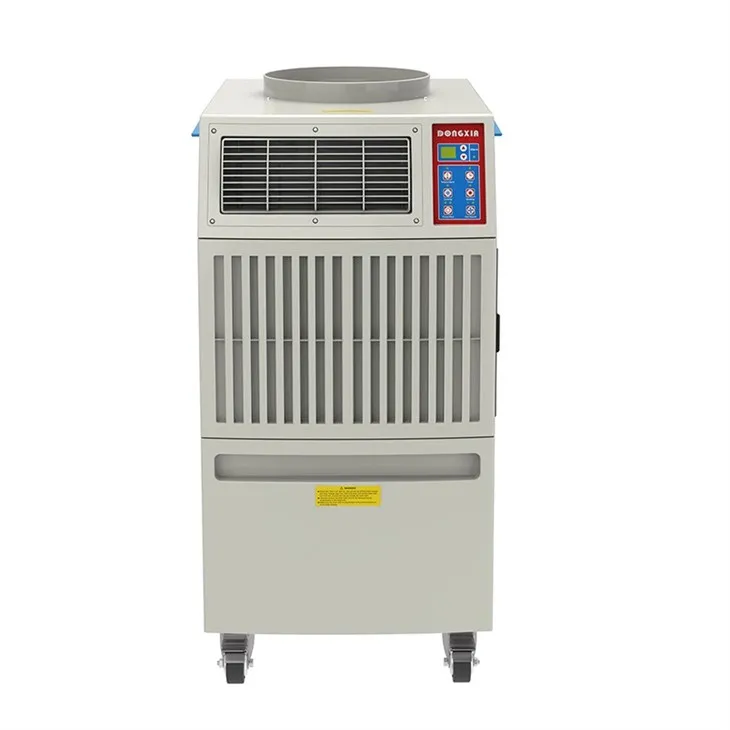
From an aesthetic point of view, Portable Heat Pump ACs may not be the most attractive addition to a room. They are often large and bulky, and the venting hose can make the setup look messy. This can be a concern for those who are particular about the appearance of their living or working spaces.

Mobility Limitations
While the name suggests portability, there are still some limitations to the mobility of Portable Heat Pump ACs. These units are relatively heavy and bulky, making them difficult to move around, especially for people with limited strength or mobility.
In addition, the need for a venting hose restricts the unit's movement. You cannot simply pick up the unit and move it to another room without also re - installing the venting system. This lack of true portability can be a drawback for users who need to move the unit frequently.
Conclusion
Despite these disadvantages, Portable Heat Pump ACs still have their place in the market. They offer a convenient and cost - effective solution for small spaces and temporary cooling or heating needs. As a supplier, I understand that every customer has different requirements, and it's important to weigh the pros and cons before making a purchase decision.
If you are considering buying a Portable Heat Pump AC or a Portable Heat Pump Air Conditioner, I encourage you to carefully evaluate your needs. Consider the size of the space, your tolerance for noise, and your budget for energy consumption and maintenance.
If you have any questions or would like to discuss your specific requirements, I'm here to help. Contact me to start a conversation about how we can find the best Portable Heat Pump AC solution for you.
References
- "Air Conditioning and Refrigeration Technology" by Eugene Silberstein
- "Energy - Efficient Heating and Cooling Systems" by Steven Winter Associates


