


Selecting the right air conditioning unit for a multi - room house can be a real head - scratcher. But don't worry, as an air conditioning units supplier, I'm here to walk you through the whole process.
First off, you gotta understand the different types of air conditioning units available out there. There are central air conditioning systems, ductless mini - split systems, and window units, each with its own pros and cons.
Central air conditioning systems are a popular choice for multi - room houses. They work by cooling the air in a central location and then distributing it through a network of ducts to different rooms. The big advantage is that they can cool your entire house evenly. However, they're usually more expensive to install and maintain. You'll need to have a proper ductwork system in place, and if there are any leaks in the ducts, it can reduce the efficiency of the system.
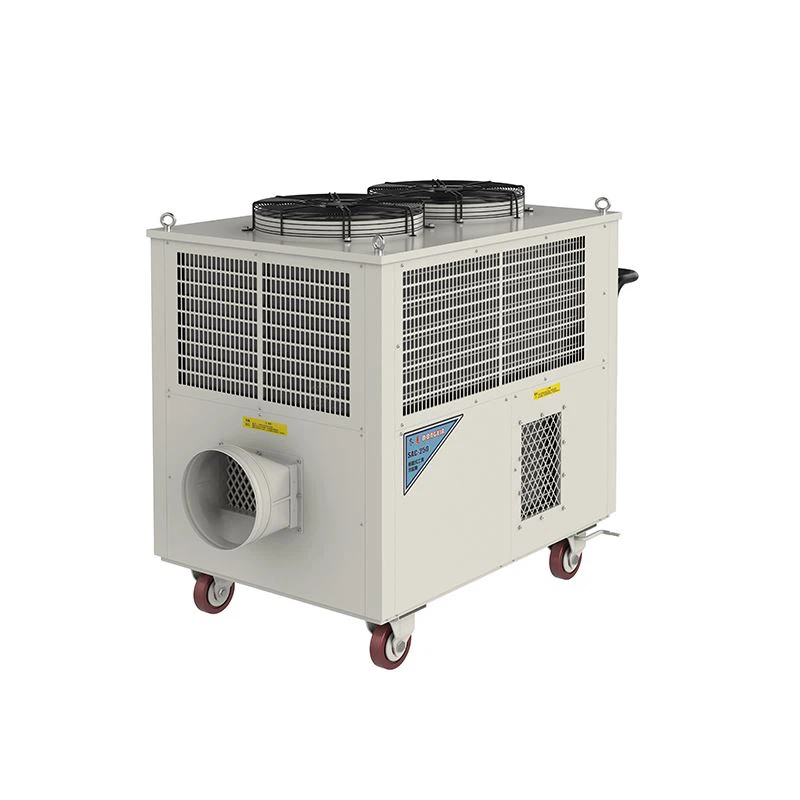
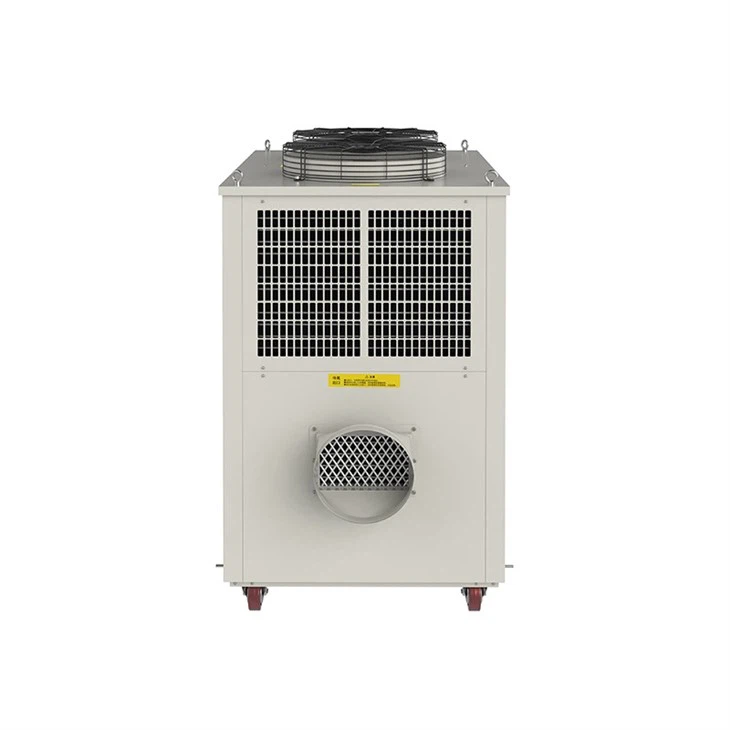
Ductless mini - split systems, on the other hand, are a great alternative. They consist of an outdoor compressor unit and one or more indoor air - handling units. You can install these indoor units in different rooms, and each unit can be controlled independently. This means you can adjust the temperature in each room according to your needs, which can save you a lot of energy. Plus, they're relatively easy to install compared to central air systems since there's no need for ductwork.
Window units are the most budget - friendly option. They're designed to be installed in a window and are suitable for cooling a single room or a small area. But if you have a multi - room house, you'll need to install one in each room, which can be a hassle. And they may not be as efficient as central or ductless systems when it comes to cooling multiple rooms.
Now, let's talk about some key factors you should consider when making your selection.
Size Matters
The size of the air conditioning unit is crucial. If it's too small, it won't be able to cool your house effectively, and it'll have to work overtime, which can lead to higher energy bills and a shorter lifespan for the unit. On the other hand, if it's too big, it'll cool the house too quickly and then cycle on and off frequently, which can also waste energy and cause uneven cooling.
To determine the right size, you need to calculate the square footage of the rooms you want to cool. You can use a simple formula: multiply the length by the width of each room and then add up the totals. As a general rule of thumb, you'll need about 20 BTUs (British Thermal Units) per square foot for a moderately insulated room. But if your house has high ceilings, large windows, or gets a lot of sunlight, you may need more.
Energy Efficiency
Energy efficiency is another important factor. You don't want to end up with a unit that guzzles electricity like there's no tomorrow. Look for units with a high SEER (Seasonal Energy Efficiency Ratio) rating. The higher the SEER rating, the more energy - efficient the unit is. A unit with a SEER rating of 14 or higher is considered energy - efficient. Energy - efficient units may cost more upfront, but they'll save you money in the long run on your energy bills.
Noise Level
No one wants to be kept awake at night by a noisy air conditioner. When you're shopping for a unit, pay attention to the noise level. It's usually measured in decibels (dB). A quieter unit will have a lower dB rating. Ductless mini - split systems are generally quieter than window units and some central air systems. You can also look for units with noise - reducing features like insulated cabinets or variable - speed fans.
Additional Features
Some air conditioning units come with extra features that can make your life more comfortable. For example, some units have a programmable thermostat, which allows you to set the temperature to change at different times of the day. This can help you save energy by adjusting the temperature when you're not at home or when you're sleeping.
Others may have a built - in air purifier or dehumidifier. An air purifier can remove dust, pollen, and other allergens from the air, which is great for people with allergies or respiratory problems. A dehumidifier can reduce the humidity in the air, making your house feel more comfortable, especially in humid climates.
Outdoor and Portable Options
If you're interested in outdoor air conditioning units, you can check out Outdoor Air Conditioning Units. These units are designed to be installed outside and are often used for cooling large outdoor areas like patios or workshops.
And if you need a more flexible option, Portable Air Conditioning Units might be a good choice. You can move them from room to room as needed, which is great if you don't want to install a permanent unit in each room.
Maintenance
Regular maintenance is essential to keep your air conditioning unit running smoothly. Make sure you choose a unit that's easy to maintain. Look for units with easily accessible filters that can be cleaned or replaced regularly. Some units also have self - diagnostic features that can alert you to any problems.
Cost
Of course, cost is always a factor. You need to consider not only the upfront cost of the unit but also the long - term costs of operation and maintenance. As I mentioned earlier, energy - efficient units may cost more upfront but can save you money in the long run. You should also get quotes from different suppliers to compare prices and find the best deal.
In conclusion, selecting an air conditioning unit for a multi - room house requires careful consideration of several factors. By understanding the different types of units, considering size, energy efficiency, noise level, additional features, maintenance, and cost, you can make an informed decision.
If you're still not sure which air conditioning unit is right for your multi - room house, I'd be more than happy to help. Just reach out to me, and we can have a detailed discussion about your specific needs and preferences. Let's work together to find the perfect solution for your home.
References
- "Residential Air Conditioning Systems" - HVAC Technology Handbook
- "Energy Efficiency in Air Conditioning" - Department of Energy Publications


