


As a supplier of Portable Industrial ACs, I understand that encountering issues with these units can be frustrating. In this blog, I'll share some common problems and effective troubleshooting steps for Portable Industrial ACs to help you get your equipment back up and running smoothly.
1. AC Not Turning On
One of the most common issues users face is the Portable Industrial AC not turning on. Here are some possible causes and solutions:
Power Supply Issues
- Check the Power Cord: Ensure that the power cord is properly plugged into a working electrical outlet. Sometimes, the cord may become loose over time. If it's a multi - outlet strip, make sure the strip is turned on and functioning. You can test the outlet by plugging in another device.
- Inspect the Circuit Breaker: If the AC is not getting power, check the circuit breaker in your electrical panel. A tripped breaker can cut off power to the unit. If the breaker has tripped, reset it. However, if it keeps tripping, there may be a more serious electrical problem with the AC, and you should contact a professional electrician.
Remote Control and Control Panel Problems
- Replace the Batteries: If you're using a remote control to operate the Portable Industrial AC, try replacing the batteries. Sometimes, weak or dead batteries can prevent the unit from receiving commands.
- Check the Control Panel: If the unit has a built - in control panel, make sure there are no error messages displayed. If there are, refer to the user manual for specific troubleshooting instructions related to those error codes.
2. Insufficient Cooling
If your Portable Industrial AC is running but not cooling the area effectively, the following factors could be at play:
Airflow Restrictions
- Clean the Air Filters: Clogged air filters are a common cause of reduced cooling performance. Over time, dust, dirt, and debris can accumulate on the filters, blocking the airflow. Remove the filters according to the manufacturer's instructions and clean them with mild soap and water. Let them dry completely before reinstalling.
- Clear the Surroundings: Ensure that there are no obstructions around the Portable Industrial AC. The unit needs proper air intake and exhaust to function efficiently. Keep furniture, curtains, and other objects at least a few feet away from the unit.
Refrigerant Issues
- Low Refrigerant Levels: A refrigerant leak can cause the unit to lose its cooling capacity. However, checking and refilling refrigerant is a job for a professional technician. If you suspect a refrigerant leak, look for signs such as ice formation on the refrigerant lines or a hissing sound coming from the unit. Contact a qualified HVAC technician to diagnose and repair the issue.
3. Excessive Noise
Unusual or excessive noise from a Portable Industrial AC can be a sign of a problem. Here's how you can troubleshoot it:
Loose Components
- Check for Loose Screws and Panels: Over time, the vibrations from the unit can cause screws to loosen and panels to rattle. Inspect the exterior of the Portable Industrial AC and tighten any loose screws. Make sure all panels are securely attached.
- Inspect the Fan Blades: A damaged or unbalanced fan blade can cause a lot of noise. Carefully examine the fan blades for any signs of damage, such as cracks or chips. If you find a problem, replace the fan blade following the manufacturer's instructions.
Motor Problems
- Lubricate the Motor (if applicable): Some older Portable Industrial AC models may have motors that require lubrication. Refer to the user manual to see if your unit falls into this category. If so, use the recommended lubricant to lubricate the motor according to the specified intervals.
- Motor Wear and Tear: If the motor is making a grinding or screeching noise, it may be worn out. In this case, it's best to contact a professional technician to replace the motor.
4. Water Leakage
Water leakage from a Portable Industrial AC can be a messy problem. Here are the possible causes and solutions:
Condensate Drainage Issues
- Clear the Drainage Tube: The condensate produced by the AC needs to drain properly. If the drainage tube is clogged, water can back up and leak from the unit. Locate the drainage tube and use a small brush or compressed air to clear any blockages.
- Improper Installation: If the Portable Industrial AC is not installed level, water may not drain correctly. Make sure the unit is placed on a flat and level surface. You may need to adjust the feet of the unit to achieve proper leveling.
5. Error Codes
Many modern Portable Industrial ACs come with error code displays. These codes can provide valuable information about the specific problem with the unit.
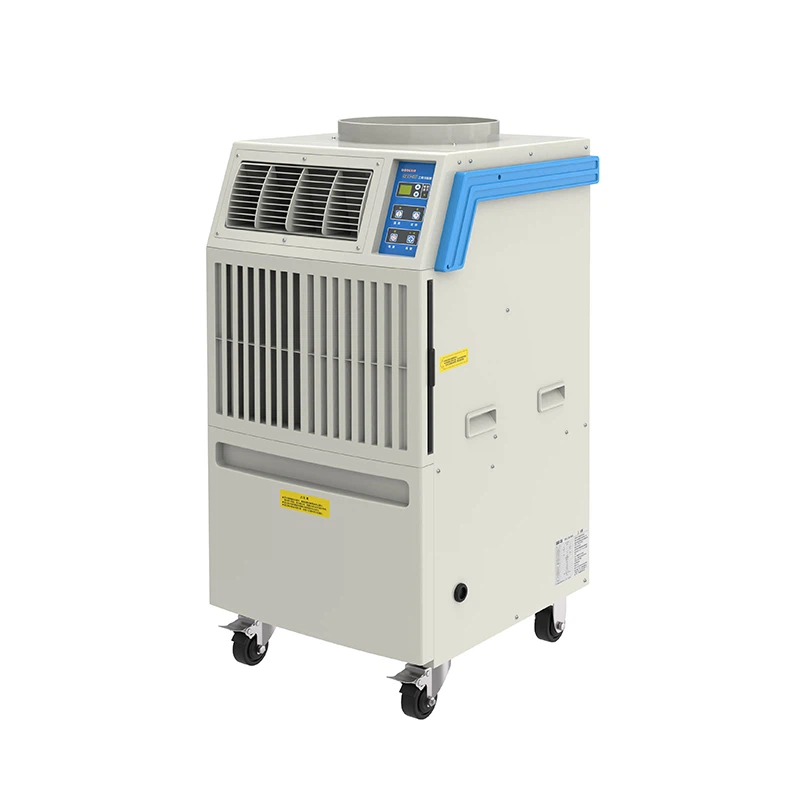
- Refer to the User Manual: When an error code appears on the control panel or display, the first step is to consult the user manual. The manual will have a list of error codes and their corresponding troubleshooting steps.
- Contact Technical Support: If you're unable to resolve the issue based on the error code information in the manual, reach out to the manufacturer's technical support team. They can provide more in - depth assistance and may be able to diagnose the problem remotely.
6. Maintenance Tips to Prevent Future Issues
To keep your Portable Industrial AC in top condition and minimize the likelihood of problems, follow these maintenance tips:
- Regular Cleaning: As mentioned earlier, clean the air filters regularly. In addition, wipe down the exterior of the unit to remove dust and dirt.
- Seasonal Inspections: At the beginning and end of each cooling season, perform a thorough inspection of the unit. Check for any signs of wear and tear, loose components, or potential issues.
- Professional Servicing: Consider having your Portable Industrial AC serviced by a professional technician at least once a year. They can perform more in - depth maintenance tasks, such as checking the refrigerant levels and inspecting the electrical components.
In conclusion, troubleshooting a Portable Industrial AC requires a systematic approach. By following the steps outlined above, you can often identify and resolve common issues on your own. However, for more complex problems, it's always best to seek the help of a professional technician.
If you're in the market for a high - quality Portable Industrial AC or need replacement parts for your existing unit, we're here to help. Our range of Portable Air Conditioners and Portable Air Conditioner products are designed to meet the diverse needs of industrial and commercial applications. Contact us to discuss your requirements and explore the best solutions for your cooling needs.
References
- Manufacturer's User Manuals for Portable Industrial ACs
- HVAC Industry Best Practices Guides


