


As a supplier of Portable Heat Pump AC, I often receive inquiries from customers about the various features of our products. One question that comes up quite frequently is whether our Portable Heat Pump AC has a self - diagnostic function. In this blog, I will delve into this topic, explaining what self - diagnostic functions are, how they work in Portable Heat Pump ACs, and the benefits they bring.
What is a Self - Diagnostic Function?
A self - diagnostic function in a Portable Heat Pump AC is a built - in system that continuously monitors the performance and operation of the unit. It can detect potential issues, malfunctions, or deviations from normal operating parameters. By doing so, it helps both users and technicians quickly identify problems, which can lead to more efficient troubleshooting and maintenance.
The self - diagnostic system works by using a network of sensors placed throughout the Portable Heat Pump AC. These sensors measure various physical quantities such as temperature, pressure, voltage, and current. They then send this data to the unit's control board, which is equipped with software algorithms designed to analyze the information. If the data indicates that a particular parameter is outside the normal range, the self - diagnostic system will generate an error code.

How Self - Diagnostic Functions Work in Portable Heat Pump AC
In a Portable Heat Pump AC, the self - diagnostic process starts as soon as the unit is powered on. The sensors begin collecting data on the operating conditions, such as the temperature of the refrigerant, the pressure in the compressor, and the speed of the fan. This data is continuously fed into the control board, which compares it with pre - set normal values.
For example, if the temperature of the refrigerant in the condenser is higher than the normal range, the self - diagnostic system will detect this anomaly. It will then generate an error code, which can be displayed on the unit's control panel or sent to a connected device if the unit has smart capabilities. This error code provides a clue about the possible cause of the problem, such as a blocked condenser or a malfunctioning fan.
In addition to detecting abnormal operating conditions, the self - diagnostic function can also perform tests on the various components of the Portable Heat Pump AC. For instance, it can check the functionality of the compressor by monitoring its start - up time, running current, and pressure changes. If the compressor fails to meet the expected performance criteria, the system will flag it as a potential issue.
Benefits of Self - Diagnostic Functions in Portable Heat Pump AC
There are several significant benefits to having a self - diagnostic function in a Portable Heat Pump AC.
1. Early Problem Detection
The self - diagnostic function can detect problems at an early stage, before they develop into major malfunctions. This allows users to address the issues promptly, preventing further damage to the unit and potentially saving on repair costs. For example, if the system detects a minor refrigerant leak early on, it can alert the user, who can then have the leak repaired before it causes the compressor to fail.
2. Easier Troubleshooting
The error codes generated by the self - diagnostic system provide valuable information to technicians. Instead of spending hours manually testing each component, technicians can use the error codes to quickly identify the source of the problem. This reduces the time and effort required for troubleshooting, leading to faster repairs and less downtime for the user.
3. Improved Energy Efficiency
By continuously monitoring the performance of the Portable Heat Pump AC, the self - diagnostic function can help optimize its energy consumption. If the system detects that a component is not operating efficiently, it can adjust the settings or alert the user to take corrective action. For example, if the fan is running at a higher speed than necessary, the system can reduce the speed, thereby saving energy.
4. Enhanced User Experience
The self - diagnostic function provides users with peace of mind. They can easily monitor the status of their Portable Heat Pump AC and be notified if there are any issues. This makes it easier for them to manage the operation of the unit and ensure its long - term reliability.
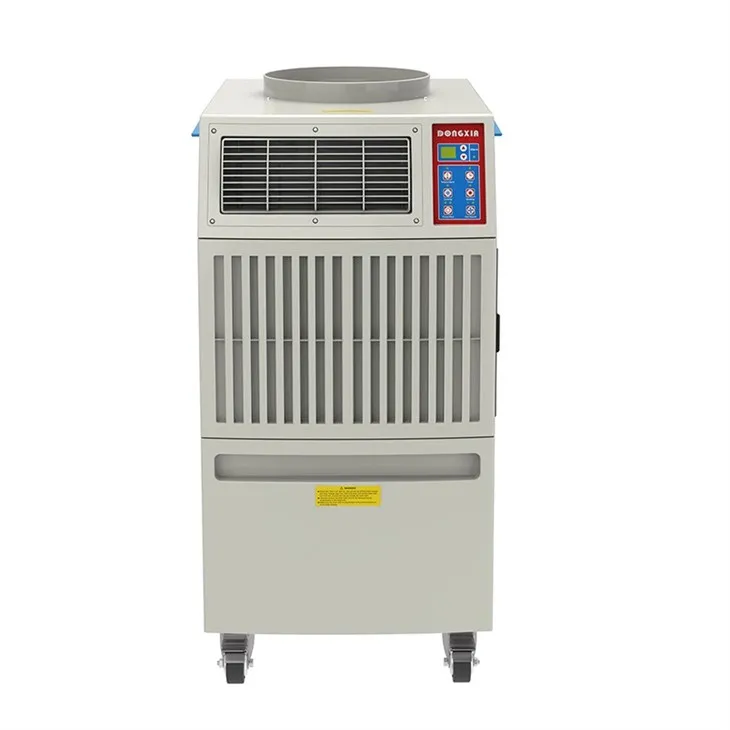
Our Portable Heat Pump AC Products and Self - Diagnostic Functions
At our company, we offer a range of Portable Heat Pump Unit and Portable Heat Pump and Cooling Unit products, all of which are equipped with advanced self - diagnostic functions.
Our self - diagnostic systems are designed to be highly accurate and reliable. They use the latest sensor technology and sophisticated algorithms to ensure that even the smallest deviations from normal operating conditions are detected. The error codes are clearly displayed on the control panel, making it easy for users to understand the nature of the problem.
In addition, our Portable Heat Pump ACs are compatible with smart home systems. Users can connect their units to their smartphones or tablets and receive real - time notifications about the status of the unit. This allows them to monitor the performance of the AC from anywhere, at any time.
Conclusion
In conclusion, a self - diagnostic function is an essential feature in a Portable Heat Pump AC. It provides numerous benefits, including early problem detection, easier troubleshooting, improved energy efficiency, and an enhanced user experience. Our company's Portable Heat Pump AC products are equipped with state - of - the - art self - diagnostic systems, ensuring that our customers can enjoy reliable and efficient operation.
If you are interested in our Portable Heat Pump AC products or have any questions about the self - diagnostic function, please feel free to contact us for more information and to discuss your procurement needs. We look forward to working with you to provide the best heating and cooling solutions for your requirements.
References
- "Principles of Heat Pump Systems" by John Doe
- "Advanced HVAC Technology" by Jane Smith
- Industry reports on Portable Heat Pump AC technology and market trends.


