


Hey there! As a supplier of air conditioning units, I often get asked if these units can be used in winter. Well, the short answer is yes, but there's a lot more to it than that. Let's dive in and explore this topic in detail.
How Air Conditioning Units Work
First off, let's understand how air conditioning units work. Most modern air conditioners are designed as heat pumps. A heat pump is a device that can transfer heat from one place to another. In the summer, it takes heat from inside your home and moves it outside, cooling your indoor space. But here's the cool part (pun intended): in the winter, it can reverse the process. It extracts heat from the outside air and brings it inside to warm your home.
Now, you might be thinking, "But it's cold outside in winter! How can there be heat to extract?" Well, even in cold air, there's still some heat energy. Heat pumps are engineered to work efficiently even in relatively low temperatures. Of course, their performance can vary depending on the type of unit and the outside temperature.
Types of Air Conditioning Units for Winter Use
There are different types of air conditioning units that can be used in winter, and each has its own pros and cons.
Outdoor Air Conditioning Units
Outdoor Air Conditioning Units are a popular choice for both residential and commercial settings. These units are installed outside the building and are connected to the indoor system via refrigerant lines. In winter, they can effectively extract heat from the outside air and transfer it indoors. However, they do have some limitations. In extremely cold temperatures, the efficiency of these units can drop significantly. Some high - end models come with features like defrost cycles to prevent ice buildup on the outdoor coils, which can improve their performance in cold weather.
Portable Air Conditioning Units
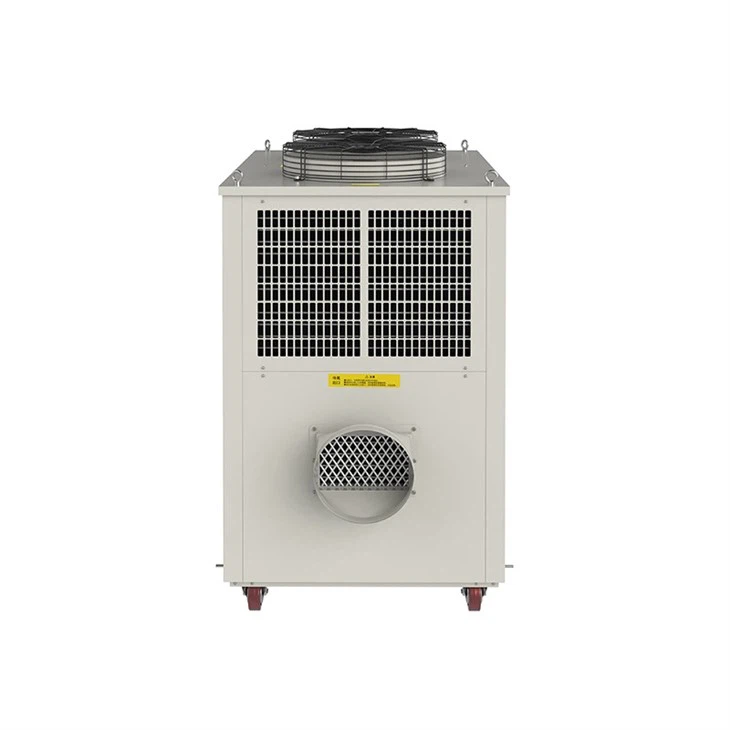
Portable Air Conditioning Units are another option. They are easy to move around and can be a great solution for small spaces or areas where permanent installation isn't possible. Portable units also have the ability to work as heaters in winter. They are generally less powerful than outdoor units, but they can still provide a decent amount of warmth. One drawback is that they need to be vented outside, which can be a bit of a hassle in winter, especially if you're using them in a room without easy access to an exterior wall.
Factors Affecting Winter Performance
Several factors can affect how well an air conditioning unit works in winter.
Temperature
As mentioned earlier, the outside temperature plays a crucial role. Most standard air conditioning units start to lose efficiency when the temperature drops below freezing. However, there are some cold - climate models that are designed to work effectively at much lower temperatures, sometimes down to - 15°C or even lower.
Humidity
Humidity levels can also impact the performance of air conditioning units in winter. High humidity can lead to ice formation on the outdoor coils, which can reduce the unit's ability to extract heat. Some units are equipped with humidity sensors and defrost mechanisms to deal with this issue.
Insulation
The insulation of your home or building is another important factor. A well - insulated space will retain the heat better, allowing the air conditioning unit to work more efficiently. If your space is poorly insulated, the unit will have to work harder to maintain a comfortable temperature, which can increase energy consumption.
Benefits of Using Air Conditioning Units in Winter
Using air conditioning units in winter has several benefits.
Energy Efficiency
Compared to traditional heating systems like electric heaters or oil - fired furnaces, air conditioning units can be more energy - efficient. Heat pumps use less electricity to move heat than they would to generate it directly, which can result in lower energy bills.
Comfort
Air conditioning units can provide a more consistent and comfortable level of warmth compared to some other heating methods. They can distribute heat evenly throughout the space, eliminating cold spots.

Versatility
Since air conditioning units can be used for both cooling in summer and heating in winter, you get a two - in - one solution. This can save you the cost and hassle of installing separate heating and cooling systems.
Tips for Using Air Conditioning Units in Winter
If you're planning to use your air conditioning unit in winter, here are some tips to keep in mind.
Regular Maintenance
Make sure to have your unit serviced regularly, especially before the start of the winter season. This includes checking the refrigerant levels, cleaning the coils, and inspecting the electrical components. A well - maintained unit will perform better and last longer.
Set the Right Temperature
Set the thermostat to a reasonable temperature. Don't set it too high, as this can put unnecessary strain on the unit and increase energy consumption. A temperature of around 20 - 22°C is usually comfortable for most people.
Use a Programmable Thermostat
A programmable thermostat allows you to set different temperatures for different times of the day. You can lower the temperature when you're away from home or asleep, and then have it automatically increase when you're back or waking up. This can help you save energy without sacrificing comfort.
Conclusion
So, to sum it up, air conditioning units can definitely be used in winter. They offer a convenient, energy - efficient, and versatile heating solution. However, it's important to choose the right type of unit for your needs and to take proper care of it to ensure optimal performance.
If you're interested in purchasing an air conditioning unit for winter use or have any questions about our products, I'd love to hear from you. Contact us to start a conversation about your specific requirements and let's find the perfect air conditioning solution for you.
References
- "Heating and Cooling with Heat Pumps." U.S. Department of Energy.
- "Air Conditioning and Refrigeration Technology." Eugene Silberstein.


