


As a supplier of outdoor air conditioners, I understand the paramount importance of safety features in these units. Outdoor air conditioners are exposed to a variety of environmental factors and usage scenarios, making safety a top priority. In this blog, I will discuss the essential safety features that an outdoor air conditioner should have.
Weather - Resistant Enclosure
One of the most fundamental safety features of an outdoor air conditioner is a weather - resistant enclosure. The unit is constantly exposed to rain, snow, sunlight, and extreme temperatures. A high - quality enclosure made of durable materials such as galvanized steel or impact - resistant plastic can protect the internal components from moisture, corrosion, and physical damage.
For example, a galvanized steel enclosure has a protective zinc coating that prevents rusting even in humid conditions. This not only extends the lifespan of the air conditioner but also reduces the risk of electrical shorts due to water ingress. Impact - resistant plastic enclosures, on the other hand, can withstand minor collisions and are lightweight, which makes installation easier.
Over - Current Protection
Over - current protection is crucial for the safety of an outdoor air conditioner. Electrical circuits in the unit can experience surges due to power grid fluctuations, short circuits, or mechanical failures. An over - current protection device, such as a circuit breaker or a fuse, can automatically cut off the power supply when the current exceeds a safe level.
Circuit breakers are more commonly used in modern outdoor air conditioners because they can be reset after tripping, unlike fuses which need to be replaced. This feature protects the compressor, fan motors, and other electrical components from damage caused by excessive current, reducing the risk of fire and electrical hazards.
Over - Temperature Protection
Outdoor air conditioners generate a significant amount of heat during operation. If the temperature inside the unit rises too high, it can cause damage to the components and pose a fire risk. Over - temperature protection sensors are installed in critical areas of the air conditioner, such as near the compressor and the condenser coils.
When the temperature reaches a pre - set limit, the over - temperature protection system will either shut down the unit or activate a cooling mechanism to bring the temperature back to a safe level. This ensures the safe and efficient operation of the air conditioner, especially in hot weather conditions.
Anti - Tip Design
Since outdoor air conditioners are often installed in exposed locations, there is a risk of them tipping over due to strong winds, accidental collisions, or improper installation. An anti - tip design is essential to prevent such incidents.
This can be achieved through a low - center - of - gravity base and proper anchoring mechanisms. A wide and stable base distributes the weight of the unit evenly, making it less likely to tip. Additionally, some outdoor air conditioners come with mounting brackets or straps that can be used to secure the unit to a wall or a platform, providing extra stability.
Refrigerant Leak Detection
Refrigerants are used in air conditioners to transfer heat. However, some refrigerants can be harmful to the environment and human health if they leak. A refrigerant leak detection system can continuously monitor the refrigerant levels in the unit.
If a leak is detected, the system can trigger an alarm to alert the user. In some advanced models, the unit can also automatically shut down to prevent further leakage. This feature not only protects the environment but also ensures the safety of people in the vicinity of the air conditioner.
Grounding Protection
Proper grounding is essential for any electrical appliance, and outdoor air conditioners are no exception. Grounding provides a safe path for electrical current in case of a short circuit or electrical fault.
The air conditioner should be connected to a grounded electrical outlet or a dedicated grounding system. A grounding wire is usually included in the electrical wiring of the unit, which is connected to a grounding rod buried in the ground. This helps to prevent electric shocks and reduces the risk of electrical fires.
Accessible Emergency Stop Button
In case of an emergency, such as a mechanical failure or a sudden electrical problem, an accessible emergency stop button is a must - have safety feature. This button allows the user to quickly shut down the air conditioner, cutting off the power supply immediately.
The emergency stop button should be clearly marked and located in an easily reachable position on the unit. This ensures that the user can take immediate action to prevent further damage or potential hazards.
Safety Grill for Fans
Outdoor air conditioners have fans that draw in and expel air. These fans can pose a risk of injury if fingers, clothing, or other objects come into contact with the moving blades. A safety grill is installed around the fans to prevent accidental access.
The safety grill should be made of strong and durable materials, with small enough gaps to prevent objects from passing through. This protects users from potential cuts and bruises and also helps to keep the fans in good working condition by preventing foreign objects from getting stuck in them.
UV - Resistant Coating
Sunlight contains ultraviolet (UV) rays that can cause damage to the exterior of the outdoor air conditioner over time. A UV - resistant coating on the enclosure can protect the unit from fading, cracking, and deterioration caused by UV exposure.
This coating also helps to maintain the aesthetic appearance of the air conditioner and extends its lifespan. It is especially important in regions with high levels of sunlight, where the unit is exposed to intense UV radiation for long periods.
Noise Reduction and Vibration Dampening
While not strictly a safety feature in the traditional sense, noise reduction and vibration dampening are important for the overall safety and comfort of the users. Excessive noise can cause stress and hearing problems, and excessive vibration can lead to loose connections and mechanical failures.
Outdoor air conditioners are equipped with noise - reducing materials and vibration - dampening mounts. These features help to minimize the noise and vibration generated during operation, creating a more pleasant and safe environment for both the users and the surrounding community.
In conclusion, an outdoor air conditioner should have a comprehensive set of safety features to ensure its safe and reliable operation. At our company, we are committed to providing high - quality Outdoor Air Conditioner with all these essential safety features. We also offer Portable Industrial Air Conditioner and Portable Industrial Air Cooler for various industrial and outdoor applications.
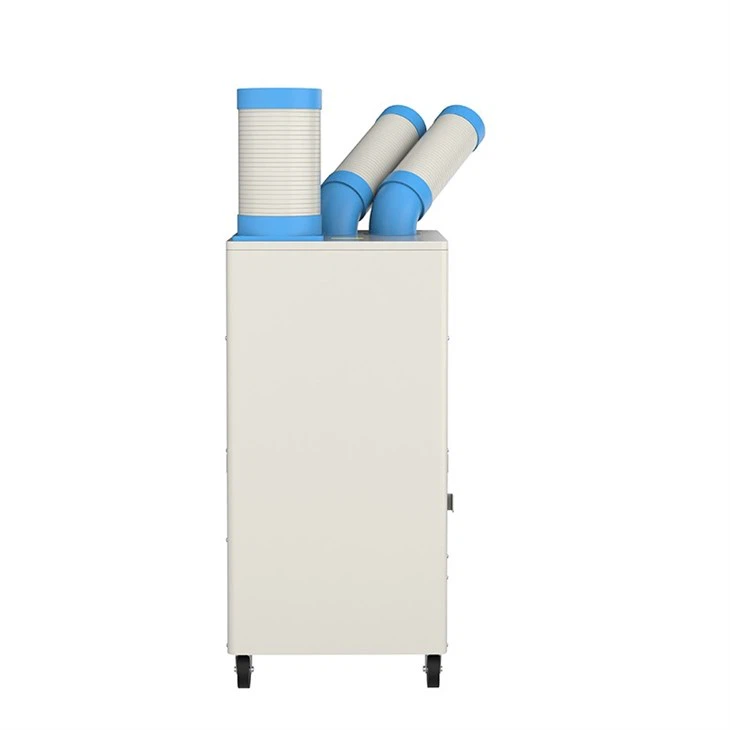

If you are interested in purchasing our outdoor air conditioners or have any questions about our products, please feel free to contact us for a procurement discussion. We are looking forward to serving you and providing you with the best cooling solutions.
References
- ASHRAE Handbook - HVAC Systems and Equipment. American Society of Heating, Refrigerating and Air - Conditioning Engineers.
- National Electrical Code (NEC) standards for electrical safety in air conditioning equipment.
- International Electrotechnical Commission (IEC) standards for air conditioner safety features.


