


The startup time of a commercial spot cooler is a crucial factor that many businesses and facility managers consider when looking to purchase cooling solutions. As a leading supplier of Commercial Spot Cooler, I have received numerous inquiries regarding this topic. In this blog post, I will delve into the details of what affects the startup time of a commercial spot cooler and how it can impact your cooling needs.
Understanding Commercial Spot Coolers
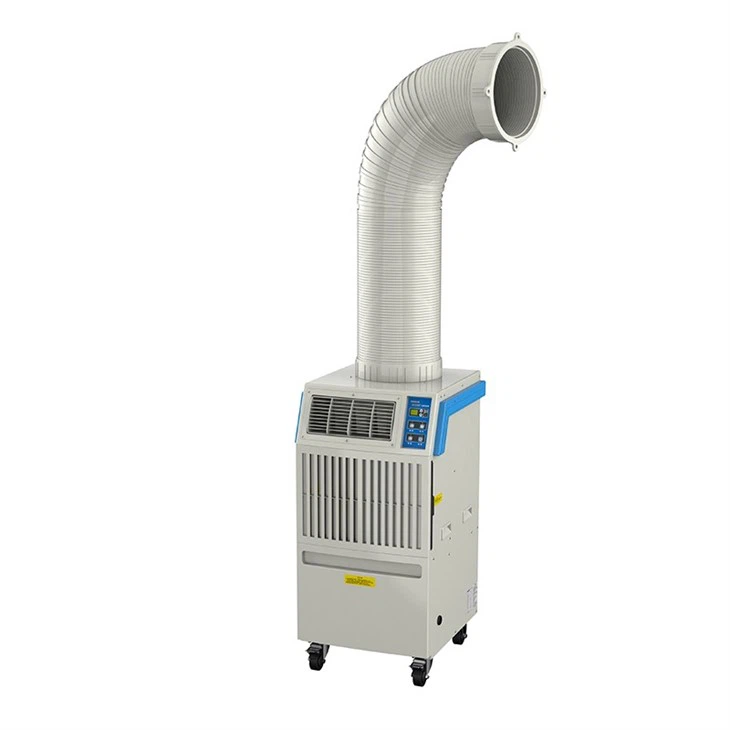
Before we discuss the startup time, let's briefly understand what commercial spot coolers are. These are portable or semi - portable cooling units designed to provide targeted cooling in specific areas. They are commonly used in commercial settings such as warehouses, factories, event venues, and construction sites. Unlike central air - conditioning systems that cool an entire building, spot coolers focus on cooling a particular spot or zone, offering flexibility and energy - efficiency.
We offer a wide range of spot coolers, including Facility Cooling Spot Cooler and Portable Spot Cooler. Each type has its own features and benefits, but they all share the common goal of providing effective spot cooling.
Factors Affecting Startup Time
1. Unit Size and Capacity
The size and capacity of a commercial spot cooler play a significant role in its startup time. Larger units with higher cooling capacities generally take longer to reach the desired temperature. This is because they need to move more air and remove more heat from the environment. For example, a small portable spot cooler with a lower BTU (British Thermal Unit) rating can start cooling a small area relatively quickly, perhaps within a few minutes. On the other hand, a large facility cooling spot cooler designed to cool a large warehouse may take 15 - 30 minutes or even longer to achieve a noticeable drop in temperature.
2. Initial Temperature and Humidity
The starting temperature and humidity levels of the area where the spot cooler is placed also affect the startup time. If the room is extremely hot and humid, the cooler has to work harder to remove the excess heat and moisture. High humidity can slow down the cooling process as the cooler first needs to dehumidify the air before it can effectively lower the temperature. In a very hot and humid environment, it may take significantly longer for the cooler to reach the set temperature compared to a cooler operating in a relatively cool and dry space.
3. Insulation and Airflow
The insulation of the area and the airflow within it are important factors. Well - insulated spaces retain the cooled air better, allowing the spot cooler to reach the desired temperature more quickly. In contrast, poorly insulated areas lose the cooled air rapidly, forcing the cooler to work continuously to maintain the temperature. Additionally, proper airflow is essential. If there are obstructions blocking the intake or exhaust of the cooler, it can impede the air circulation and increase the startup time.
4. Compressor and Fan Performance
The performance of the compressor and the fan in the spot cooler is directly related to the startup time. A high - quality compressor can cool the refrigerant more efficiently, enabling the cooler to start cooling faster. Similarly, a powerful fan can move more air through the cooling coils, enhancing the heat transfer process. Spot coolers with advanced compressor and fan technology are likely to have a shorter startup time compared to those with lower - performing components.
Measuring Startup Time
Startup time can be measured in different ways. One common method is to record the time it takes for the cooler to lower the temperature by a certain number of degrees, say 5 or 10 degrees Fahrenheit. Another approach is to measure the time until the cooler reaches the set temperature on the thermostat. It's important to note that the startup time can vary depending on the measurement method and the specific conditions of the environment.

Importance of Startup Time
The startup time of a commercial spot cooler can have a significant impact on your business operations. In a warehouse or factory setting, a long startup time can lead to discomfort for workers, which may affect productivity. In event venues, a quick startup time is crucial to ensure that the guests are comfortable as soon as they enter the space. For construction sites, where workers are exposed to high temperatures, a spot cooler with a short startup time can provide immediate relief.
How to Reduce Startup Time
1. Choose the Right Size
Selecting the appropriate size of the spot cooler for the area is essential. An undersized cooler will struggle to cool the space, leading to a long startup time and inefficient operation. On the other hand, an oversized cooler may cycle on and off frequently, which can also affect the startup time and increase energy consumption. Our team of experts can help you determine the right size of the spot cooler based on the dimensions and usage of your space.
2. Improve Insulation
Enhancing the insulation of the area can significantly reduce the startup time. This can be done by adding insulation to the walls, ceiling, and floors. Sealing any gaps or cracks can also prevent the loss of cooled air. In some cases, using thermal curtains or partitions can help create a more enclosed and insulated space for the spot cooler to work effectively.
3. Ensure Proper Airflow
Make sure that the spot cooler has unobstructed intake and exhaust areas. Remove any objects that may block the airflow. You can also use fans to improve the air circulation within the space, which can help the spot cooler cool the area more quickly.
4. Maintain the Cooler
Regular maintenance of the spot cooler is crucial. This includes cleaning the air filters, checking the refrigerant levels, and ensuring that the compressor and fan are in good working condition. A well - maintained cooler operates more efficiently, reducing the startup time.
Conclusion
The startup time of a commercial spot cooler is influenced by multiple factors, including unit size, initial temperature and humidity, insulation, airflow, and component performance. Understanding these factors can help you choose the right spot cooler for your needs and take steps to reduce the startup time. As a supplier of high - quality commercial spot coolers, we are committed to providing you with the best cooling solutions. If you are interested in learning more about our products or have any questions regarding startup time or other aspects of spot coolers, please feel free to contact us for a detailed discussion and to explore purchasing options.
References
- ASHRAE Handbook - HVAC Systems and Equipment
- Manufacturer's specifications for commercial spot coolers


