


Installing a heat pump spot cooler is a task that requires careful planning, the right tools, and a clear understanding of the process. As a heat pump spot cooler supplier, I've had the privilege of guiding numerous customers through this installation journey. In this blog post, I'll break down the installation process step by step, highlighting the key considerations and potential challenges along the way.
1. Pre - installation Preparation
Before you even start the physical installation, you need to do some groundwork. First, select the appropriate location. The area where you plan to install your heat pump spot cooler should be well - ventilated. For Portable Heat Pump AC, it can be placed indoors, but make sure there is enough clearance around it to allow air to flow freely. A distance of at least 12 inches from walls and other objects is recommended.
If you're dealing with an Outdoor Heat Pump, the location needs to be on a flat, stable surface. It should also be away from any sources of direct heat, such as exhaust vents or sunlight - exposed areas. Check local building codes and regulations to ensure that your chosen location complies with all requirements.
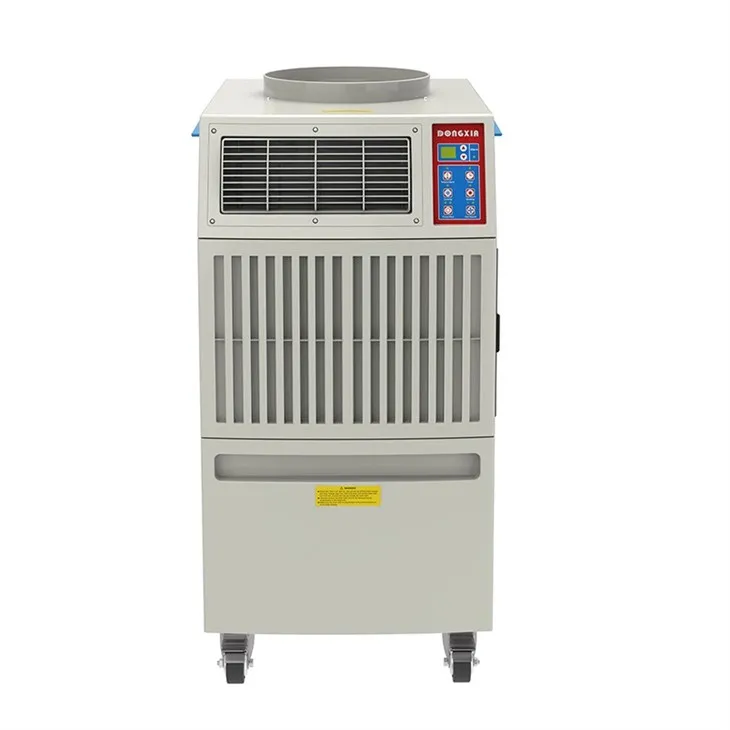

Next, gather all the necessary tools. You will typically need a drill, screwdriver set, wrenches, a level, and a measuring tape. Make sure to read the installation manual that comes with your heat pump spot cooler thoroughly. This manual contains detailed instructions specific to your unit and will be your go - to guide throughout the installation process.
2. Unpacking and Inspection
Once you've completed the pre - installation preparations, it's time to unpack the heat pump spot cooler. Carefully remove the unit from its packaging and inspect it for any visible damage. Check all the components, including the compressor, fan, coils, and refrigerant lines. If you find any damage, contact your supplier immediately, as using a damaged unit can lead to performance issues and safety hazards.
3. Installing the Indoor Unit
If you have a split - system heat pump spot cooler, the first step is to install the indoor unit. Mark the location on the wall where you want to mount the unit using a level and a measuring tape to ensure it is straight and at the correct height. Drill holes into the wall according to the markings and insert wall plugs.
Hang the indoor unit on the wall using the provided mounting brackets and screws. Make sure it is securely attached. Connect the refrigerant lines, electrical wires, and condensate drain pipe to the indoor unit. Follow the color - coding and labeling in the installation manual to ensure correct connections.
4. Installing the Outdoor Unit
For the outdoor unit, place it on the pre - prepared flat surface. Use a level to ensure it is perfectly horizontal. This is crucial for the proper functioning of the compressor and other components.
Connect the refrigerant lines from the indoor unit to the outdoor unit. Make sure the connections are tight to prevent refrigerant leaks. You may need to use a wrench to secure the fittings properly. Also, connect the electrical wires between the two units, following all safety procedures. This usually involves using wire nuts and ensuring that the wires are not exposed.
5. Electrical Connections
Electrical connections are a critical part of the installation process. Before making any electrical connections, turn off the power supply to the area where you'll be working to avoid the risk of electric shock.
Connect the heat pump spot cooler to a dedicated electrical circuit with the appropriate voltage and amperage. The installation manual will specify the electrical requirements for your unit. Use a qualified electrician if you're not comfortable making these connections yourself.
6. Testing the System
Once all the components are installed and connected, it's time to test the system. Turn on the power supply and set the heat pump spot cooler to the cooling or heating mode, depending on your needs. Listen for any unusual noises, such as rattling or grinding, which could indicate a problem.
Check the airflow from the indoor unit. It should be strong and consistent. Monitor the temperature in the room to see if it is being effectively cooled or heated. Also, check for any refrigerant leaks around the connections. You can use a refrigerant leak detector or look for signs of oil stains, which may indicate a leak.
7. Maintenance and After - installation Care
After a successful installation, it's important to establish a regular maintenance schedule. Clean the air filters regularly to ensure optimal airflow and efficiency. For Portable Heat Pump Air Conditioner, this can be done by simply removing and washing the filters with mild soap and water.
Inspect the outdoor unit periodically for any debris or dirt that may have accumulated. Check the refrigerant levels and the condition of the coils. If you notice any issues, it's best to contact a professional technician for further inspection and maintenance.
Potential Challenges and How to Overcome Them
- Refrigerant Leaks: As mentioned earlier, refrigerant leaks can be a serious problem. If you suspect a leak, turn off the unit immediately and contact a professional. They can use specialized equipment to detect the leak and repair it.
- Electrical Issues: Electrical problems can range from a simple loose connection to a more complex wiring issue. If you experience any electrical problems, do not attempt to fix them yourself. Always consult a qualified electrician.
- Noise and Vibration: Excessive noise and vibration can be caused by an unbalanced unit or a problem with the fan or compressor. Check if the unit is properly leveled and tightened. If the problem persists, contact a technician.
Conclusion
Installing a heat pump spot cooler is a multi - step process that requires attention to detail and adherence to safety procedures. By following the steps outlined in this blog post and referring to the installation manual, you can ensure a successful installation.
If you're in the market for a high - quality heat pump spot cooler, we're here to help. Our products, including Portable Heat Pump AC, Portable Heat Pump Air Conditioner, and Outdoor Heat Pump, are designed for optimal performance and reliability. Contact us to discuss your specific requirements and start the procurement process. We look forward to working with you to find the perfect cooling solution for your needs.
References
- Manufacturer's installation manuals for heat pump spot coolers
- HVAC industry standards and best practices


