


Hey there! As a supplier of air conditioning units, I often get asked about the difference between single - zone and multi - zone air conditioning units. So, let's dive right in and break it down.
Single - Zone Air Conditioning Units
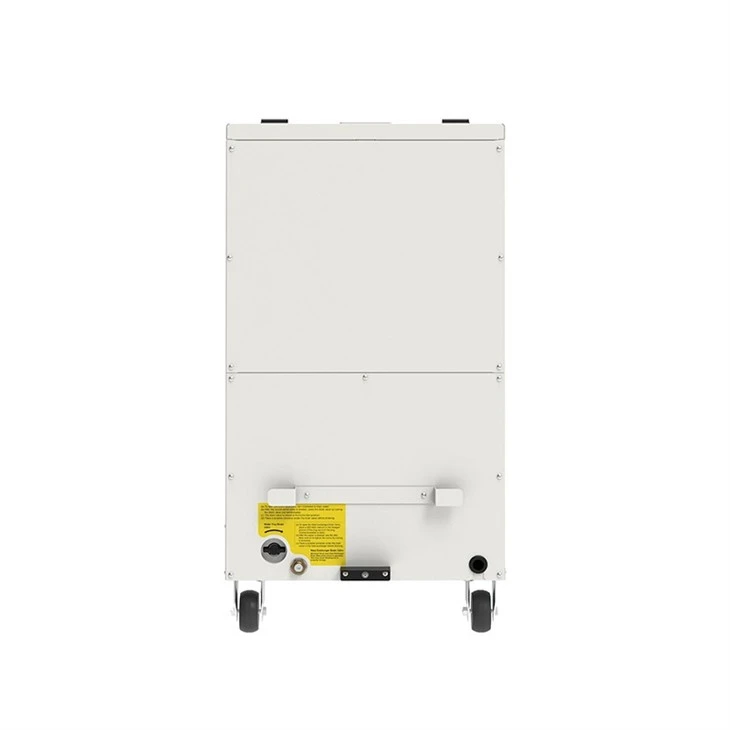
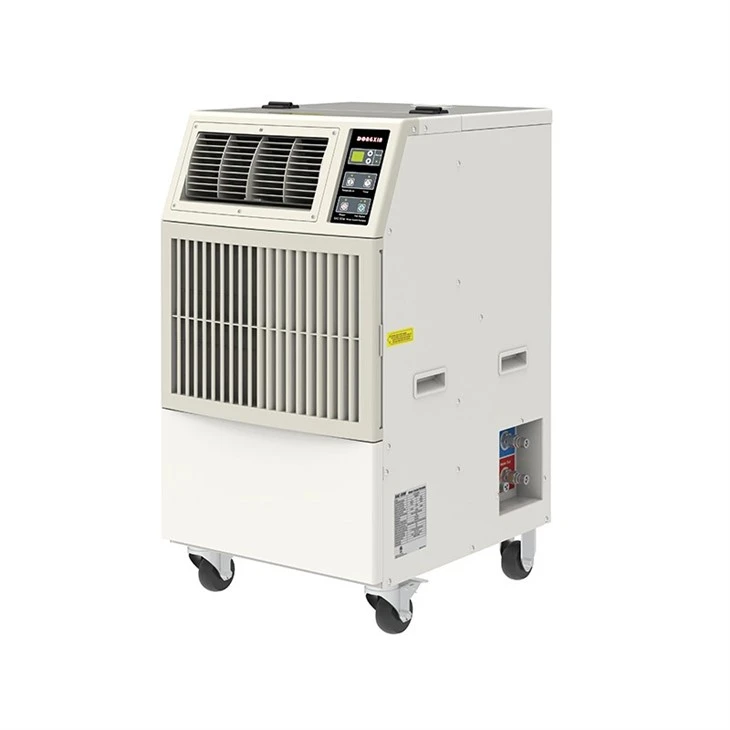
First off, let's talk about single - zone units. These are pretty straightforward. A single - zone air conditioner is designed to cool a single, specific area. It's like having a personal cooling assistant for one room or a small, well - defined space.
How They Work
The basic principle behind a single - zone unit is simple. It has a compressor, a condenser, an evaporator, and a fan. The refrigerant in the system absorbs heat from the air in the room through the evaporator coil. Then, the compressor pumps the heated refrigerant to the condenser, where the heat is released outside. The cooled air is then blown back into the room by the fan.
Advantages
- Cost - Effective: Single - zone units are generally cheaper to buy and install. If you only need to cool one room, there's no point in investing in a more complex system. For example, if you have a small office or a bedroom, a single - zone unit can do the job without breaking the bank.
- Easy Installation: They are relatively easy to install. You don't need a complex network of ducts or multiple indoor units. Most single - zone units can be installed as a window unit or a through - the - wall unit, which means you can have it up and running in no time.
- Energy - Efficient for Small Spaces: Since they are designed for a specific area, they can be very energy - efficient. They don't waste energy trying to cool areas that don't need it.
Disadvantages
- Limited Coverage: The biggest drawback is that they can only cool one area. If you have an open - concept living space or multiple rooms that need cooling, you'll need to install multiple single - zone units, which can get expensive and take up a lot of space.
- Lack of Flexibility: Once installed, it's difficult to move a single - zone unit to another area. You're pretty much stuck with cooling the same room all the time.
Multi - Zone Air Conditioning Units
Now, let's move on to multi - zone units. These are a bit more complex but offer a lot more flexibility.
How They Work
A multi - zone air conditioning system consists of one outdoor condenser unit and multiple indoor air - handling units. The outdoor unit can supply refrigerant to all the indoor units through a network of pipes. Each indoor unit can be controlled independently, allowing you to set different temperatures in different rooms.
Advantages
- Flexible Cooling: The main advantage of a multi - zone unit is its flexibility. You can cool multiple rooms or areas at different temperatures. For example, you can set your bedroom to a cooler temperature for a good night's sleep while keeping the living room a bit warmer.
- Space - Saving: Instead of having multiple single - zone units taking up space in each room, you have one outdoor unit and several small indoor units. This can make your rooms look less cluttered.
- Energy - Efficient for Larger Spaces: In larger homes or commercial buildings, multi - zone units can be more energy - efficient than multiple single - zone units. You can turn off the indoor units in unoccupied rooms, saving energy.
Disadvantages
- Higher Initial Cost: Multi - zone units are more expensive to buy and install. The outdoor unit is more powerful, and the installation requires more complex piping and wiring.
- Complex Maintenance: Since they are more complex, maintenance can be a bit more challenging. You may need a professional technician with more expertise to service the system.
Real - World Applications
Let's look at some real - world scenarios to see which type of unit is better suited.
Residential Use
- Single - Zone: In a small apartment or a house with a single room that needs extra cooling, like a home office or a nursery, a single - zone unit is a great choice. It's affordable and easy to install.
- Multi - Zone: For a larger home with multiple bedrooms, living areas, and a kitchen, a multi - zone unit can provide customized cooling. You can set different temperatures for each room according to the needs of the occupants.
Commercial Use
- Single - Zone: In a small retail store or a single - office space, a single - zone unit can do the job. It's cost - effective and can keep the space comfortable for customers and employees.
- Multi - Zone: In a large office building or a commercial complex with multiple rooms and different usage patterns, a multi - zone unit is essential. It allows for precise temperature control in different areas, such as conference rooms, offices, and break rooms.
Our Product Offerings
As an air conditioning unit supplier, we offer a wide range of both single - zone and multi - zone units. We also have some great options for water - cooled systems. Check out our Portable Water Cooled Air Conditioning Unit, Water Cooled Air Conditioners, and Water Cooled Condensing Units. These water - cooled units are energy - efficient and can provide reliable cooling in various environments.
Conclusion
So, in conclusion, the choice between a single - zone and a multi - zone air conditioning unit depends on your specific needs. If you have a small space and a limited budget, a single - zone unit is the way to go. But if you need to cool multiple areas and want more flexibility, a multi - zone unit is a better option.
If you're interested in purchasing an air conditioning unit, whether it's a single - zone or multi - zone, or any of our water - cooled products, feel free to reach out to us. We're here to help you find the perfect solution for your cooling needs. Let's have a chat and discuss the best options for you.
References
- ASHRAE Handbook of Fundamentals.
- Residential and Commercial Air Conditioning Installation Guides.


