


Safety is a paramount concern when it comes to using an air conditioning unit. As a trusted supplier of a wide range of air conditioning products, including Water Cooled Air Conditioners, Portable Water Cooled Air Conditioning Unit, and Water Cooled Condensing Units, I understand the importance of educating our customers on proper safety precautions. In this blog post, I will share comprehensive safety guidelines to ensure that you can use your air conditioning unit safely and effectively.
Installation Safety
The first step in ensuring the safe use of an air conditioning unit is proper installation. Incorrect installation can lead to a variety of safety hazards, including electrical shock, fire, and poor performance. Here are some key installation safety precautions to keep in mind:
- Professional Installation: Always hire a qualified and experienced HVAC technician to install your air conditioning unit. A professional installer will have the necessary skills and knowledge to ensure that the unit is installed correctly and safely. They will also be able to handle any electrical or plumbing connections required for the installation.
- Location Selection: Choose a suitable location for your air conditioning unit. The unit should be installed in a well-ventilated area away from flammable materials, such as curtains, paper, and gasoline. It should also be installed on a level surface to prevent vibration and ensure proper operation.
- Electrical Connections: Ensure that all electrical connections are made by a qualified electrician. The unit should be connected to a dedicated electrical circuit with the appropriate voltage and amperage rating. Overloading the circuit can cause overheating and potentially lead to a fire.
- Proper Ventilation: Adequate ventilation is essential for the safe operation of an air conditioning unit. Make sure that the unit has enough space around it for proper air circulation. Blocking the vents or placing the unit in a confined space can cause the unit to overheat and reduce its efficiency.
Operation Safety
Once your air conditioning unit is installed, it is important to follow proper operation safety precautions to prevent accidents and ensure the longevity of the unit. Here are some key operation safety tips:
- Read the User Manual: Before using your air conditioning unit, carefully read the user manual provided by the manufacturer. The manual contains important information about the unit's operation, maintenance, and safety precautions. Follow the instructions in the manual to ensure safe and proper use of the unit.
- Regular Maintenance: Schedule regular maintenance for your air conditioning unit. This includes cleaning or replacing the air filters, checking the refrigerant levels, and inspecting the electrical connections. Regular maintenance can help prevent breakdowns and ensure that the unit operates safely and efficiently.
- Avoid Overloading: Do not overload the air conditioning unit by setting the temperature too low or using it in an area that is too large for the unit's capacity. Overloading the unit can cause it to overheat and potentially lead to a fire.
- Use a Surge Protector: To protect your air conditioning unit from power surges, use a surge protector. A surge protector can help prevent damage to the unit's electrical components and extend its lifespan.
- Keep Children and Pets Away: Keep children and pets away from the air conditioning unit to prevent accidents. The unit's moving parts and electrical connections can be dangerous if touched.
Maintenance Safety
Regular maintenance is essential for the safe and efficient operation of an air conditioning unit. Here are some key maintenance safety precautions to keep in mind:
- Turn Off the Power: Before performing any maintenance on the air conditioning unit, turn off the power at the circuit breaker or disconnect switch. This will help prevent electrical shock.
- Wear Protective Gear: When performing maintenance on the air conditioning unit, wear protective gear, such as gloves and safety glasses. This will help protect you from any sharp edges or moving parts.
- Use the Right Tools: Use the right tools for the job. Using the wrong tools can cause damage to the unit and potentially lead to accidents.
- Follow Manufacturer's Instructions: Follow the manufacturer's instructions for maintenance and repair. Do not attempt to perform any maintenance or repair tasks that you are not qualified to do.
Emergency Safety
In case of an emergency, it is important to know what to do to ensure your safety. Here are some key emergency safety tips:
- Know the Emergency Shut-Off Switch: Locate the emergency shut-off switch for your air conditioning unit and know how to use it. In case of an emergency, such as a fire or electrical problem, you can quickly turn off the unit to prevent further damage.
- Call for Help: If you experience any problems with your air conditioning unit, such as a fire, electrical shock, or unusual noise, call for help immediately. Do not attempt to fix the problem yourself.
- Evacuate the Area: In case of a fire or other emergency, evacuate the area immediately and call the fire department. Do not try to put out the fire yourself unless you have the proper training and equipment.
Conclusion
Using an air conditioning unit safely is essential for your health and well-being. By following the safety precautions outlined in this blog post, you can ensure that your air conditioning unit operates safely and efficiently. Remember, if you have any questions or concerns about the safety of your air conditioning unit, do not hesitate to contact us. We are here to help you choose the right air conditioning unit for your needs and ensure that it is installed and maintained safely.
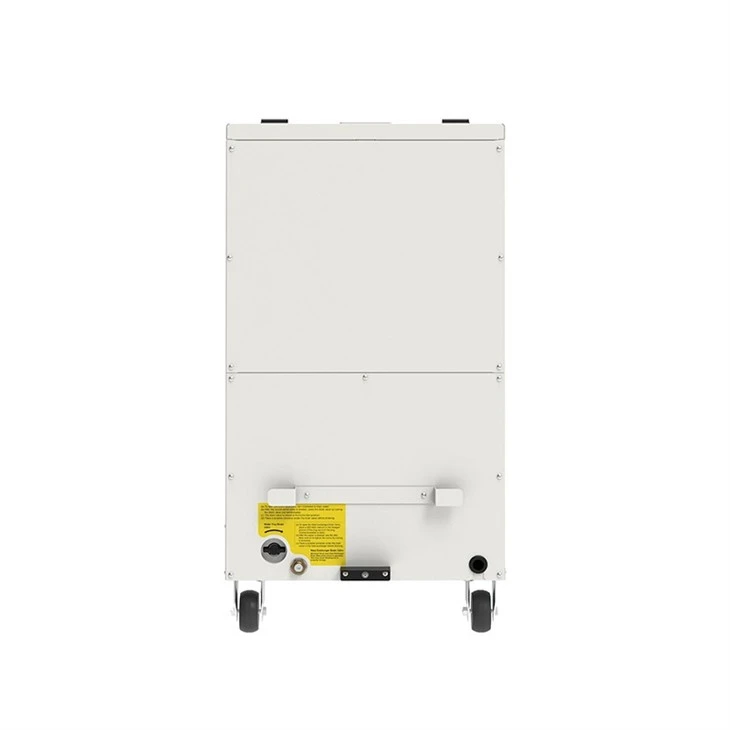

If you are interested in purchasing an air conditioning unit or have any questions about our products, please feel free to contact us. We would be happy to assist you with your purchase and provide you with any information you need.
References
- American Society of Heating, Refrigerating and Air-Conditioning Engineers (ASHRAE). (2023). ASHRAE Handbook - Fundamentals.
- National Fire Protection Association (NFPA). (2023). NFPA 70: National Electrical Code.
- Occupational Safety and Health Administration (OSHA). (2023). General Industry Safety and Health Standards.


