


Over time, the maintenance costs of an outdoor AC can vary significantly based on multiple factors. As an outdoor AC supplier, I've witnessed firsthand how these costs can impact both residential and commercial customers. In this blog, I'll delve into the various elements that contribute to the long - term maintenance expenses of outdoor AC units and offer insights on how to manage them effectively.
Initial Installation and Setup Costs
The first aspect to consider is the initial installation. A proper installation is crucial for the long - term performance and maintenance of an outdoor AC unit. Incorrect installation can lead to a host of problems down the line, such as inefficient cooling, increased energy consumption, and premature wear and tear. Professional installation typically includes tasks like finding the ideal location for the unit, ensuring proper electrical connections, and setting up the refrigerant lines.
The cost of installation can range from a few hundred to several thousand dollars, depending on the complexity of the job. For example, installing a small outdoor AC unit for a single - room application may cost around $500 - $1000, while a large - scale commercial installation can easily exceed $5000. It's important to invest in a quality installation from the start, as it can save you money in the long run by reducing the likelihood of future maintenance issues.
Regular Maintenance Tasks
Regular maintenance is essential to keep an outdoor AC unit running smoothly. Some of the common maintenance tasks include:
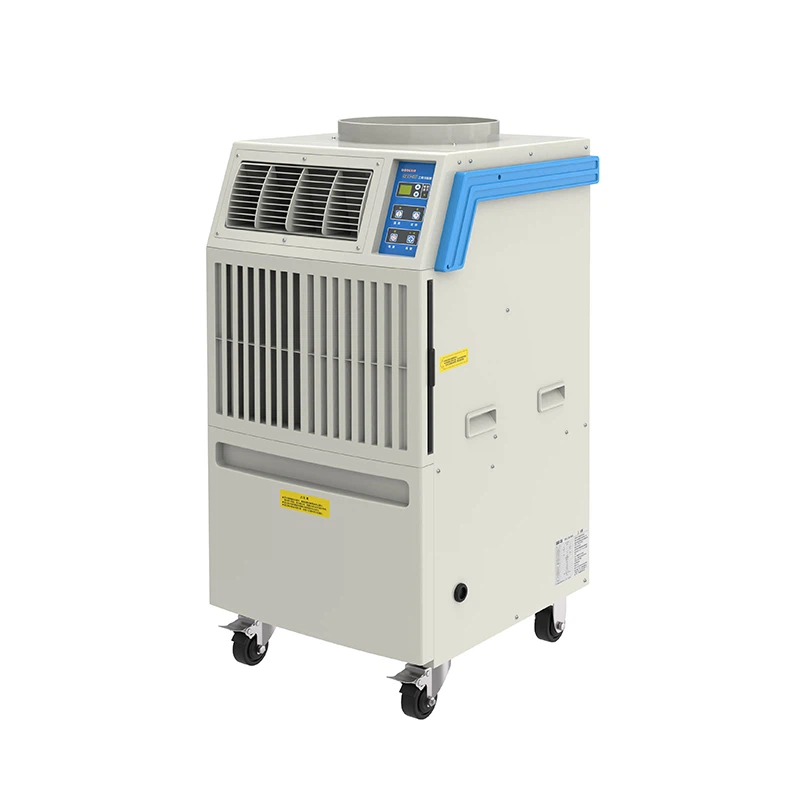

Cleaning the Coils
The evaporator and condenser coils in an outdoor AC unit can accumulate dirt, dust, and debris over time. This buildup can reduce the unit's efficiency by obstructing the flow of air and heat transfer. Cleaning the coils typically involves using a soft brush or a coil cleaner to remove the dirt. This is a task that should be performed at least once a year, and it can cost anywhere from $100 - $300 depending on the size and accessibility of the unit.
Checking and Refilling Refrigerant
Refrigerant is the substance that cools the air in an AC unit. Over time, there may be small leaks in the refrigerant lines, which can cause the refrigerant level to drop. Low refrigerant levels can lead to poor cooling performance and increased energy consumption. A professional technician will need to check the refrigerant level and, if necessary, refill it. The cost of refrigerant varies depending on the type and quantity needed, but it can range from $100 - $500 per service call.
Lubricating Moving Parts
The outdoor AC unit has several moving parts, such as the fan motor and the compressor. These parts need to be lubricated regularly to reduce friction and prevent premature wear. Lubrication is a relatively simple task, but it requires the use of the right type of lubricant. A professional maintenance service may charge around $50 - $150 for lubricating the moving parts.
Inspecting Electrical Components
The electrical components of an outdoor AC unit, such as the wiring, capacitors, and relays, can wear out over time. A faulty electrical component can cause the unit to malfunction or even pose a safety hazard. Regular inspections by a qualified technician can help identify and replace any worn - out electrical parts before they cause major problems. The cost of inspecting and replacing electrical components can vary widely depending on the specific part and the complexity of the repair, but it can range from $100 - $1000.
Wear and Tear and Replacement Parts
As an outdoor AC unit ages, certain parts are more likely to wear out and need replacement. Some of the common replacement parts include:
Compressor
The compressor is the heart of an AC unit, responsible for compressing the refrigerant and circulating it through the system. Compressors can fail due to factors such as overheating, electrical problems, or normal wear and tear. Replacing a compressor is a major repair, and it can cost anywhere from $1000 - $3000, depending on the size and type of the unit.
Fan Motor
The fan motor is responsible for blowing air over the condenser coils to dissipate heat. A faulty fan motor can cause the unit to overheat and reduce its efficiency. Replacing a fan motor typically costs between $200 - $500.
Capacitors
Capacitors store and release electrical energy to help start the compressor and fan motor. They can fail over time, and replacing a capacitor usually costs around $50 - $200.
Energy Consumption
Another aspect of the long - term cost of an outdoor AC unit is its energy consumption. As the unit ages, its efficiency may decrease, leading to higher energy bills. Regular maintenance can help keep the unit operating at peak efficiency, but eventually, an older unit may need to be replaced with a more energy - efficient model.
Newer outdoor AC units are designed to meet higher energy efficiency standards, which can result in significant savings on energy costs over time. When considering the maintenance costs of an outdoor AC unit, it's important to factor in the potential savings from upgrading to a more energy - efficient model.
Impact of Environmental Factors
The environment in which the outdoor AC unit is installed can also have a significant impact on its maintenance costs. For example, if the unit is installed in an area with high levels of dust, pollen, or humidity, it may require more frequent cleaning and maintenance. Similarly, units installed in coastal areas may be more prone to corrosion due to the salt air.
In areas with extreme temperatures, the AC unit may have to work harder to maintain the desired temperature, which can lead to increased wear and tear and higher maintenance costs. It's important to take these environmental factors into account when estimating the long - term maintenance costs of an outdoor AC unit.
Managing Maintenance Costs
To manage the maintenance costs of an outdoor AC unit effectively, it's important to:
Follow a Regular Maintenance Schedule
Establish a regular maintenance schedule and stick to it. This can help prevent major problems from occurring and extend the lifespan of the unit.
Invest in a Maintenance Contract
Many HVAC companies offer maintenance contracts that include regular inspections, cleaning, and minor repairs. These contracts can provide peace of mind and help spread out the maintenance costs over time.
Upgrade to Energy - Efficient Models
As mentioned earlier, upgrading to a more energy - efficient outdoor AC unit can result in significant savings on energy costs and may also reduce the frequency of maintenance issues.
Conclusion
The maintenance costs of an outdoor AC unit over time can be substantial, but with proper planning and management, these costs can be kept under control. As an outdoor AC supplier, I understand the importance of providing high - quality units and offering comprehensive maintenance advice to our customers.
If you're in the market for a new outdoor AC unit or need help with the maintenance of your existing unit, we're here to assist you. Whether you're looking for a Portable Industrial AC for your industrial space or a Portable Air Conditioner for a smaller area, we have a wide range of options to meet your needs. You can also explore our Portable Air Conditioner factory to learn more about our manufacturing process.
Contact us today to discuss your specific requirements and start a procurement negotiation. We're committed to providing you with the best products and services at competitive prices.
References
- "HVAC Maintenance Guide", published by the American Society of Heating, Refrigerating and Air - Conditioning Engineers (ASHRAE).
- "Energy Efficiency in Air Conditioning Systems", research report by the Department of Energy.
- "Outdoor AC Unit Troubleshooting and Maintenance", white paper by a leading HVAC manufacturer.


