


In the current era, where energy efficiency is not just a buzzword but a necessity for sustainable development, understanding the energy - saving potential of water and air - cooled technologies is of utmost importance. As a supplier of water and air - cooled solutions, I am constantly exploring and promoting these technologies to help businesses and individuals make informed decisions.
1. Basics of Water and Air - Cooled Technologies
1.1 Air - Cooled Technology
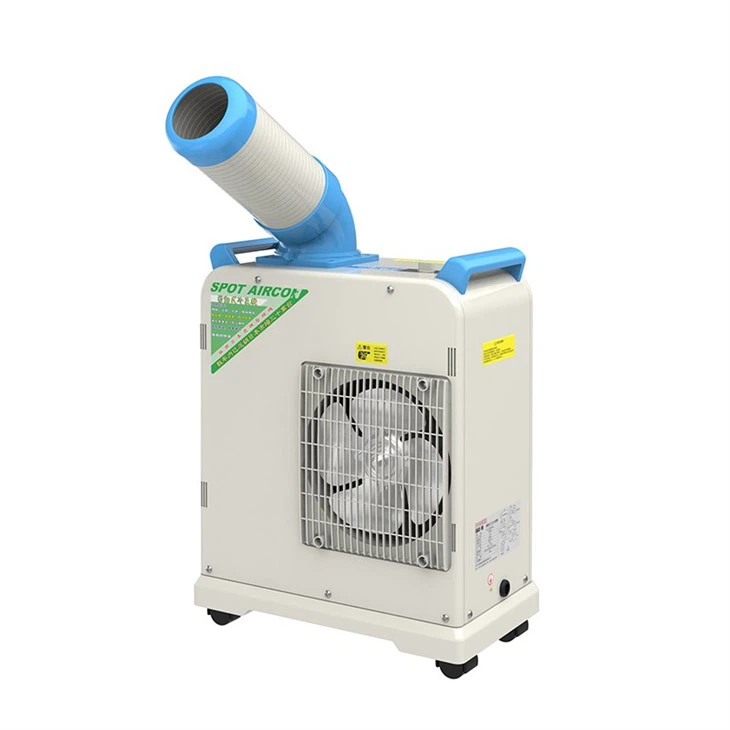
Air - cooled systems work by dissipating heat into the surrounding air. They are relatively simple in design and installation. For instance, Commercial Spot Cooler is a type of air - cooled device that provides localized cooling in commercial settings. It draws in warm air, cools it through a refrigeration cycle, and then blows the cooled air back into the environment. These spot coolers are highly flexible and can be easily moved around as per the cooling requirements.
Similarly, Outdoor Spot Cooler is designed to operate in outdoor environments. They are equipped with features that can withstand harsh weather conditions while still effectively cooling the targeted areas. Facility Cooling Spot Cooler is used for large - scale facilities, providing cooling to specific zones within a building, which helps in reducing overall energy consumption by avoiding the need to cool the entire facility uniformly.
The main advantage of air - cooled systems is their simplicity. They do not require a separate water source or complex piping systems. However, their efficiency can be affected by the ambient air temperature. In hot climates, the cooling capacity of air - cooled systems may decrease, and they may consume more energy to achieve the desired cooling effect.
1.2 Water - Cooled Technology
Water - cooled systems, on the other hand, use water as a cooling medium. They transfer heat from the equipment to the water, which is then either cooled in a cooling tower or discharged. Water - cooled systems are generally more efficient than air - cooled systems, especially in large - scale applications.
The high specific heat capacity of water allows it to absorb a large amount of heat with a relatively small temperature change. This means that water - cooled systems can remove heat more effectively than air - cooled systems. Additionally, water - cooled systems can maintain a more stable cooling performance regardless of the ambient air temperature. However, they require a reliable water source and proper water treatment to prevent corrosion and scaling in the pipes and heat exchangers.
2. Energy Savings Potential of Air - Cooled Technology
2.1 Variable Speed Compressors
One of the key factors contributing to the energy savings of air - cooled systems is the use of variable speed compressors. These compressors can adjust their speed according to the cooling load. When the cooling demand is low, the compressor runs at a lower speed, consuming less energy. For example, in a commercial building, during off - peak hours, the Commercial Spot Cooler with a variable speed compressor can significantly reduce its energy consumption while still maintaining a comfortable temperature.
2.2 Smart Controls
Modern air - cooled systems are often equipped with smart controls. These controls can monitor the ambient temperature, humidity, and occupancy of the area to optimize the cooling operation. For instance, if a room is unoccupied, the system can automatically reduce its cooling output, saving energy. In outdoor settings, the Outdoor Spot Cooler can adjust its operation based on the weather conditions, such as reducing the cooling when the outdoor temperature drops at night.
2.3 Energy - Efficient Fans
The fans in air - cooled systems also play a crucial role in energy savings. High - efficiency fans are designed to move a large volume of air with less power consumption. By using energy - efficient fans, the overall energy consumption of the air - cooled system can be reduced.
3. Energy Savings Potential of Water - Cooled Technology
3.1 Heat Recovery
Water - cooled systems have a significant advantage in heat recovery. The heat absorbed by the water can be reused for other purposes, such as heating domestic water or pre - heating incoming air in a ventilation system. For example, in a large industrial facility, the heat recovered from the water - cooled system can be used to heat the factory during the winter months, reducing the need for additional heating equipment and saving energy.
3.2 High - Efficiency Heat Exchangers
The use of high - efficiency heat exchangers in water - cooled systems can enhance the heat transfer process. These heat exchangers are designed to maximize the contact area between the hot and cold fluids, allowing for more efficient heat transfer. As a result, the system can achieve the same cooling effect with less energy input.

3.3 Optimal Water Flow Rates
Proper control of water flow rates is essential for energy savings in water - cooled systems. By adjusting the water flow according to the cooling load, the system can avoid over - pumping water, which would waste energy. Advanced control systems can continuously monitor and adjust the water flow to ensure optimal operation.
4. Comparing the Energy Savings of Water and Air - Cooled Technologies
4.1 Small - Scale Applications
In small - scale applications, such as individual offices or small retail stores, air - cooled systems are often more cost - effective and easier to install. The energy savings from air - cooled systems with variable speed compressors and smart controls can be significant. For example, a small office using a Commercial Spot Cooler can achieve a reasonable level of energy efficiency without the need for a complex water - cooled system.
4.2 Large - Scale Applications
For large - scale applications, such as industrial plants and large commercial buildings, water - cooled systems generally offer greater energy savings potential. Their ability to recover heat and maintain a stable cooling performance makes them more suitable for high - demand cooling requirements. However, the initial investment and maintenance costs of water - cooled systems are higher compared to air - cooled systems.
5. Factors Affecting Energy Savings
5.1 Climate
The climate of the location has a significant impact on the energy savings of both water and air - cooled technologies. In hot and dry climates, air - cooled systems may face challenges in maintaining efficiency, while water - cooled systems can perform better. In contrast, in temperate climates, air - cooled systems may be sufficient and more energy - efficient due to the relatively lower ambient temperatures.
5.2 Load Profile
The load profile of the cooling system, i.e., the variation in cooling demand over time, also affects energy savings. Systems with a more consistent load can be optimized more easily for energy efficiency. For example, a data center with a relatively constant cooling demand can benefit from a well - designed water - cooled system with heat recovery.
5.3 System Design and Installation
Proper system design and installation are crucial for achieving energy savings. A poorly designed system, whether air - cooled or water - cooled, may not operate efficiently. For example, incorrect sizing of the equipment, improper piping layout in water - cooled systems, or incorrect placement of air - cooled units can all lead to increased energy consumption.
6. Conclusion and Call to Action
In conclusion, both water and air - cooled technologies have significant energy savings potential, but their suitability depends on various factors such as application scale, climate, and load profile. As a supplier of water and air - cooled solutions, we are committed to providing our customers with the most energy - efficient and cost - effective cooling options.
If you are interested in exploring the energy - saving potential of water and air - cooled technologies for your specific needs, we invite you to contact us for a detailed consultation. Our team of experts can help you evaluate the best cooling solution for your business, taking into account all the relevant factors. We believe that by choosing the right cooling technology, you can not only reduce your energy costs but also contribute to a more sustainable future.
References
- ASHRAE Handbook of HVAC Systems and Equipment.
- Energy Star Guidelines for Commercial Cooling Equipment.
- International Journal of Refrigeration, various issues on cooling technologies.


