


How much electricity does a portable heat pump AC consume?
As a supplier of Portable Heat Pump ACs, I often get asked about the electricity consumption of these units. It's a crucial question, especially for consumers who are conscious about energy costs and environmental impact. In this blog post, I'll delve into the factors that influence the electricity consumption of portable heat pump ACs and provide some insights to help you make an informed decision.
Understanding the Basics of Portable Heat Pump ACs
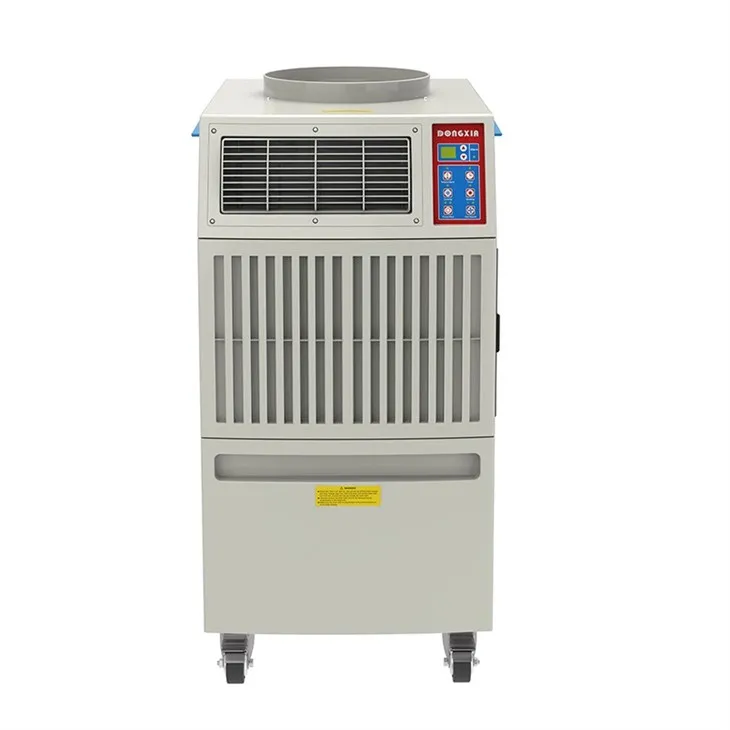
Before we discuss electricity consumption, let's briefly understand how portable heat pump ACs work. A Portable Heat Pump AC is a versatile device that can both cool and heat a space. It operates on the principle of heat transfer, moving heat from one place to another. In cooling mode, it extracts heat from the indoor air and releases it outside. In heating mode, it reverses the process, bringing heat from the outside air into the room.
Factors Affecting Electricity Consumption
Several factors contribute to the electricity consumption of a portable heat pump AC. Understanding these factors can help you estimate how much energy your unit will use.
1. Cooling or Heating Capacity (BTU)
The British Thermal Unit (BTU) is a measure of the cooling or heating capacity of an AC unit. The higher the BTU rating, the more powerful the unit is and the more electricity it will consume. For example, a small Portable Heat Pump and Cooling Unit with a 5,000 BTU rating will use less electricity than a larger unit with a 14,000 BTU rating. When choosing a portable heat pump AC, it's important to select a unit with the appropriate BTU rating for the size of the space you want to cool or heat. An oversized unit will consume more energy than necessary, while an undersized unit may not be able to effectively cool or heat the space.
2. Energy Efficiency Ratio (EER) and Coefficient of Performance (COP)
The Energy Efficiency Ratio (EER) is used to measure the cooling efficiency of an AC unit, while the Coefficient of Performance (COP) is used for heating efficiency. A higher EER or COP means the unit is more energy - efficient and will consume less electricity. For instance, a portable heat pump AC with an EER of 12 is more efficient than one with an EER of 10. When comparing different models, look for units with higher EER and COP ratings to save on energy costs.
3. Usage Patterns
How often and for how long you use your portable heat pump AC also affects its electricity consumption. If you run the unit continuously for long periods, it will use more electricity than if you use it intermittently. Additionally, setting the temperature too low in cooling mode or too high in heating mode will cause the unit to work harder and consume more energy. It's advisable to set the temperature to a comfortable level and use the unit only when needed.

4. Ambient Temperature
The outside temperature can have a significant impact on the electricity consumption of a portable heat pump AC. In extreme temperatures, whether very hot or very cold, the unit has to work harder to maintain the desired indoor temperature. For example, during a heatwave, a cooling unit may consume more electricity as it struggles to remove heat from the indoor air. Similarly, in extremely cold weather, a heating unit may use more energy to extract heat from the cold outside air.
Estimating Electricity Consumption
To estimate the electricity consumption of a portable heat pump AC, you can use the following formula:
[Energy\ Consumption (kWh)=\frac{Power (W)}{1000}\times Time (h)]
The power rating of the unit (in watts) can usually be found on the product label or in the user manual. For example, if a portable heat pump AC has a power rating of 1000 watts and you run it for 5 hours, the energy consumption would be:
[Energy\ Consumption=\frac{1000}{1000}\times5 = 5\ kWh]
However, this is a simplified calculation. In reality, the power consumption may vary depending on the factors mentioned above.
Real - World Examples
Let's take a look at some real - world examples to get a better understanding of electricity consumption.
Suppose you have a Portable Heat Pump Air Conditioner with a power rating of 800 watts. If you run it for 8 hours a day in cooling mode, the daily energy consumption would be:
[Energy\ Consumption=\frac{800}{1000}\times8 = 6.4\ kWh]
Assuming an electricity cost of $0.15 per kWh, the daily cost of running the unit would be $6.4\times0.15 = $0.96. Over a month (30 days), the cost would be $0.96\times30=$28.8.
Tips to Reduce Electricity Consumption
Here are some tips to help you reduce the electricity consumption of your portable heat pump AC:
- Proper Sizing: Choose a unit with the right BTU rating for your space to avoid over - or under - sizing.
- Set the Temperature Wisely: Set the temperature to a comfortable level. In cooling mode, setting the temperature a few degrees higher can save a significant amount of energy. In heating mode, lower the temperature slightly.
- Use a Programmable Thermostat: A programmable thermostat allows you to set different temperatures at different times of the day. You can set the unit to run at a higher temperature when you're not at home and lower it just before you return.
- Keep the Unit Maintained: Regularly clean the air filters and coils of the unit. A dirty filter or coil can reduce the efficiency of the unit and increase energy consumption.
Conclusion
The electricity consumption of a portable heat pump AC depends on several factors, including its BTU rating, energy efficiency, usage patterns, and ambient temperature. By understanding these factors and following the tips mentioned above, you can estimate the energy consumption of your unit and take steps to reduce it.
As a supplier of Portable Heat Pump ACs, we are committed to providing high - quality, energy - efficient units. If you're interested in purchasing a portable heat pump AC or have any questions about our products, we encourage you to contact us for a detailed discussion. Our team of experts can help you choose the right unit for your needs and provide you with more information on energy consumption and cost savings.
References
- ASHRAE Handbook of Fundamentals. American Society of Heating, Refrigerating and Air - Conditioning Engineers.
- Energy Star. Energy - efficient air conditioning products.
- Manufacturer's product manuals for portable heat pump ACs.


