


Hey there! I'm a supplier of water and air cooled systems, and today I wanna chat about how these systems handle humidity. It's a topic that's super important, especially when you're looking to keep your space comfortable and your equipment running smoothly.
First off, let's talk about humidity. Humidity is basically the amount of water vapor in the air. High humidity can make a place feel sticky and uncomfortable, and it can also cause problems for equipment, like rusting and corrosion. So, how do water and air cooled systems deal with this pesky humidity?
Air Cooled Systems and Humidity
Air cooled systems are pretty common, and they work by using air to cool things down. When it comes to humidity, these systems have a few tricks up their sleeves.

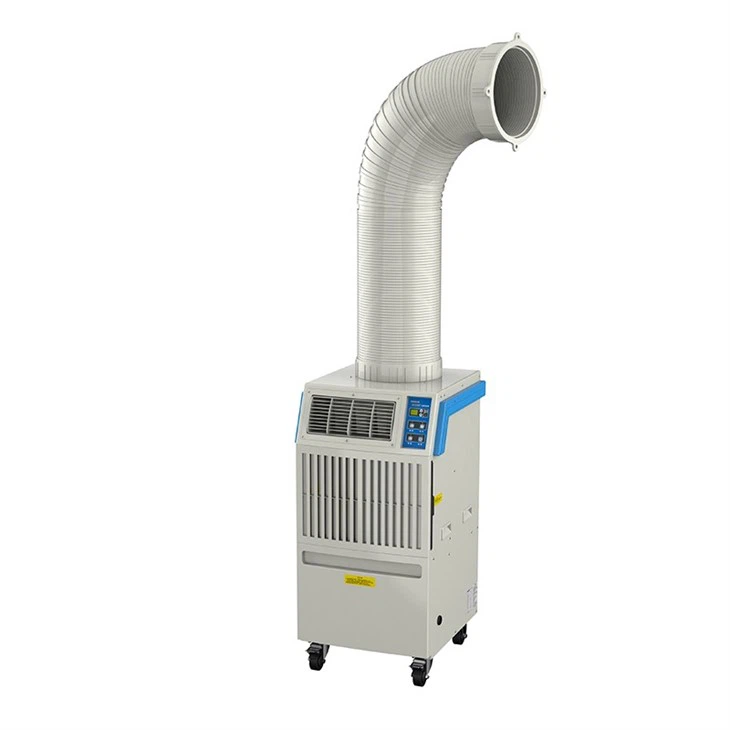
One of the main ways air cooled systems handle humidity is through the process of evaporation. When warm, humid air passes over the cooling coils of an air cooled system, the water vapor in the air condenses on the coils. This is similar to how dew forms on grass in the early morning. As the water vapor turns into liquid water, it drips off the coils and is collected in a drain pan. This process not only cools the air but also reduces the humidity.
For example, let's say you have a small office space with an air cooled Portable Spot Cooler. During the hot summer months, the air in the office is likely to be warm and humid. When the spot cooler kicks in, it draws in the warm, humid air. As the air passes through the cooling coils, the water vapor condenses, and the cooler then blows out cooler, drier air into the room. This makes the office more comfortable for everyone working there.
Another way air cooled systems can help with humidity is by adjusting the airflow. Some air cooled systems allow you to control the speed of the fans. By increasing the airflow, you can help to disperse the moisture in the air more quickly. This can prevent the air from becoming too saturated with water vapor, which in turn reduces the humidity levels.
However, air cooled systems do have their limitations when it comes to humidity. In extremely humid conditions, they may not be able to remove enough moisture from the air to keep the space comfortable. This is where water cooled systems come in.
Water Cooled Systems and Humidity
Water cooled systems use water as the primary cooling medium. They are often more efficient than air cooled systems, especially in high humidity environments.
One of the key advantages of water cooled systems is their ability to handle large amounts of moisture. These systems typically have larger cooling coils and more powerful condensers, which allow them to condense more water vapor from the air. The condensed water is then drained away, just like in air cooled systems.
For instance, in a large industrial facility, a Facility Cooling Spot Cooler that uses a water cooled system can effectively remove the high levels of humidity generated by the machinery and processes in the facility. The water cooled system can handle the large volume of warm, humid air and reduce the humidity to a more manageable level.
Water cooled systems also have the option of using chilled water. Chilled water can be circulated through the cooling coils at a lower temperature than the air, which makes it more effective at condensing water vapor. This results in a greater reduction in humidity compared to air cooled systems.
In addition, water cooled systems can be integrated with dehumidification systems. These dehumidification systems can further remove moisture from the air, ensuring that the humidity levels are kept within a desired range. This is particularly useful in environments where precise humidity control is required, such as in data centers or laboratories.
Comparing the Two
So, which is better when it comes to handling humidity - air cooled or water cooled systems? Well, it really depends on your specific needs.
Air cooled systems are generally more affordable and easier to install. They are a great option for small to medium-sized spaces with moderate humidity levels. If you just need to cool a small room or a specific area, an air cooled Portable Spot Cooler might be all you need.
On the other hand, water cooled systems are more powerful and efficient when it comes to handling high humidity. They are ideal for large spaces, industrial facilities, or environments where precise humidity control is crucial. A Facility Cooling Spot Cooler with a water cooled system can provide better humidity management in these situations.
Real - World Applications
Let's take a look at some real - world applications of how water and air cooled systems handle humidity.
In a warehouse, there are often large amounts of stored goods. High humidity can cause damage to these goods, such as mold growth on cardboard boxes or rusting of metal products. An air cooled system can be used to maintain a comfortable working environment for the employees, but if the humidity is extremely high, a water cooled system might be needed to protect the inventory. A Tent Cooling Spot Cooler can also be a great option for temporary tent structures in outdoor events. It can cool the air inside the tent and reduce the humidity, making the event more enjoyable for everyone.
In a hotel, guests expect a comfortable and dry environment in their rooms. Air cooled systems are commonly used in hotel rooms to provide cooling and some humidity control. However, in areas with high humidity, the hotel may also use central water cooled systems to ensure that the overall humidity levels in the building are kept in check.
Maintenance and Efficiency
To ensure that both water and air cooled systems work effectively in handling humidity, regular maintenance is essential.
For air cooled systems, you need to clean the cooling coils regularly. Over time, dust and dirt can accumulate on the coils, which can reduce their ability to condense water vapor. You also need to check the drain pan and make sure it's not clogged. If the drain pan is clogged, the condensed water can overflow, leading to water damage and potentially mold growth.
Water cooled systems require more complex maintenance. You need to monitor the water quality to prevent scale and corrosion in the pipes and cooling coils. You also need to check the pumps and valves to ensure that the water is circulating properly. Regular maintenance of these systems can improve their efficiency in removing humidity and extend their lifespan.
Conclusion
In conclusion, both water and air cooled systems play important roles in handling humidity. Air cooled systems are great for small - scale applications and moderate humidity levels, while water cooled systems are more suitable for large spaces and high humidity environments. By understanding how these systems work and their limitations, you can choose the right system for your needs.
If you're interested in learning more about our water and air cooled systems or have any questions about humidity control, feel free to reach out to us. We're here to help you find the best solution for your space. Whether you need a Portable Spot Cooler for a small room or a Facility Cooling Spot Cooler for a large industrial facility, we've got you covered. Let's start a conversation and see how we can make your environment more comfortable and efficient.
References
- ASHRAE Handbook - HVAC Systems and Equipment.
- Cooling Technology Institute (CTI) Standards.
- "Fundamentals of Heating, Ventilation, and Air Conditioning" by C. P. Arora.


