


Do air conditioning units remove humidity from the air?
As a trusted supplier of air conditioning units, I've fielded numerous queries from customers about the intricate workings of these systems. One common question that frequently surfaces is whether air conditioning units have the ability to remove humidity from the air. In this blog, I'll comprehensively explore this topic, breaking down the science behind it and explaining how our products contribute to creating a comfortable indoor environment.
The Science of Humidity Removal
To understand how air conditioning units tackle humidity, we first need to grasp the concept of humidity itself. Humidity refers to the amount of water vapor present in the air. When the air is saturated with water vapor, we experience a muggy and uncomfortable environment. High humidity not only makes the air feel warmer but can also lead to a host of problems, including mold growth, musty odors, and discomfort for occupants.
Air conditioning units work on the principle of refrigeration to cool and dehumidify the air. A typical air conditioning system consists of an evaporator coil, a compressor, a condenser coil, and an expansion valve. The process begins when warm, humid air from the room is drawn into the unit through the return air duct. As this air passes over the cold evaporator coil, the temperature of the air drops rapidly.

Here's where the magic of humidity removal happens. The cold surface of the evaporator coil causes the water vapor in the warm air to condense into liquid water, much like how dew forms on a cold glass on a hot, humid day. This condensed water drips down into a drain pan and is then carried away through a drain pipe, effectively removing moisture from the air.
The now-cooler and drier air is then circulated back into the room through the supply air ducts, creating a more comfortable and less humid environment. Meanwhile, the refrigerant in the system absorbs the heat from the air and is pumped to the outdoor condenser unit, where it releases the heat into the outside air before returning to the indoor evaporator coil to repeat the process.
Our Air Conditioning Units and Humidity Control
At our company, we offer a wide range of air conditioning units designed to effectively remove humidity from the air while providing optimal cooling performance. Our Water Cooled Air Conditioners are engineered with advanced technologies to ensure efficient humidity control.
These units utilize water as a cooling medium, which allows for better heat transfer and more precise temperature and humidity regulation. The water-cooled design also helps to reduce energy consumption, making them an environmentally friendly and cost-effective solution for both residential and commercial applications.
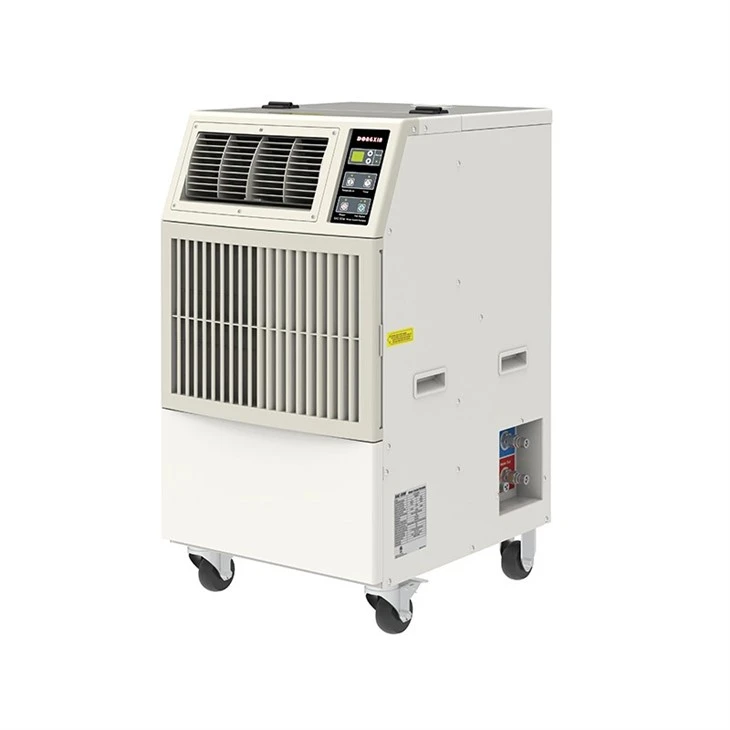
For customers who require a more flexible and portable cooling solution, our Portable Water Cooled Air Conditioning Unit is an excellent choice. These units are easy to move around and can be quickly installed in any room or area that needs cooling and dehumidification. They are equipped with powerful compressors and high-efficiency evaporator coils to deliver fast and effective humidity removal, even in large spaces.
In addition to our water-cooled air conditioners and portable units, we also offer Water Cooled Condensing Units that are designed to work in conjunction with our indoor air handlers. These condensing units are responsible for releasing the heat absorbed from the indoor air into the outside environment, ensuring that the air conditioning system operates efficiently and effectively. By using water as a cooling medium, our water-cooled condensing units can achieve higher levels of energy efficiency and better humidity control compared to traditional air-cooled units.
Benefits of Humidity Removal
Removing humidity from the air offers numerous benefits for both residential and commercial settings. Here are some of the key advantages:
Comfort
By reducing humidity levels, air conditioning units make the air feel cooler and more comfortable, even at higher temperatures. This can help to improve sleep quality, increase productivity, and enhance overall well-being.
Health
High humidity levels can promote the growth of mold, mildew, and bacteria, which can cause respiratory problems, allergies, and other health issues. By removing moisture from the air, air conditioning units help to create a healthier indoor environment, reducing the risk of these health problems.
Preservation of Property
Excess humidity can damage furniture, electronics, and other valuable items by causing them to warp, rot, or corrode. By maintaining low humidity levels, air conditioning units help to protect your property and extend its lifespan.
Energy Efficiency
When the air is less humid, it feels cooler, which means you can set your thermostat at a higher temperature without sacrificing comfort. This can result in significant energy savings and lower utility bills.
Factors Affecting Humidity Removal
While air conditioning units are effective at removing humidity from the air, several factors can affect their performance. These include:
Size of the Unit
The size of the air conditioning unit is crucial for effective humidity removal. If the unit is too small for the space, it may struggle to cool and dehumidify the air properly, resulting in high humidity levels. On the other hand, if the unit is too large, it may cycle on and off too frequently, which can also lead to poor humidity control.
Outdoor Temperature and Humidity
The outdoor temperature and humidity levels can have a significant impact on the performance of your air conditioning unit. In hot and humid weather, the unit may need to work harder to remove moisture from the air, which can reduce its efficiency and increase energy consumption.
Maintenance
Regular maintenance is essential for ensuring the optimal performance of your air conditioning unit. Dirty air filters, clogged drain pipes, and leaky refrigerant lines can all affect the unit's ability to remove humidity from the air. By scheduling regular maintenance with a qualified technician, you can keep your unit running smoothly and efficiently.
Conclusion
In conclusion, air conditioning units are indeed capable of removing humidity from the air. By leveraging the principles of refrigeration and condensation, these systems effectively extract moisture from the air, creating a more comfortable and healthier indoor environment. Our company is committed to providing high-quality air conditioning units that not only excel in cooling performance but also offer superior humidity control. Whether you're in the market for a Water Cooled Air Conditioners, a Portable Water Cooled Air Conditioning Unit, or a Water Cooled Condensing Units, we have the perfect solution to meet your needs.
If you're interested in learning more about our products or would like to discuss your specific requirements, please don't hesitate to get in touch. Our team of experts is here to assist you every step of the way and ensure that you find the ideal air conditioning unit for your space. Contact us today to start the conversation and take the first step towards a more comfortable and humidity-free environment.
References
- ASHRAE Handbook - Fundamentals. American Society of Heating, Refrigerating and Air-Conditioning Engineers, Inc.
- Air Conditioning and Refrigeration Technology. William C. Whitman, William M. Johnson, John A. Tomczyk, and Eugene Silberstein.


