


Can an air conditioner be used in a storage room? This is a question that many storage room owners often ask. As an air conditioner supplier, I'm here to provide you with a comprehensive answer.
The Need for Air Conditioning in Storage Rooms
Storage rooms are used to store a wide variety of items, from household goods to valuable business inventory. Different items have different storage requirements, and temperature is a crucial factor. High temperatures can cause damage to many types of items. For example, electronics can overheat and malfunction, wooden furniture can warp, and perishable goods can spoil.
In regions with hot climates, the temperature inside a storage room can easily rise to uncomfortable and damaging levels. Without proper temperature control, the stored items may lose their value or become unusable. This is where an air conditioner comes in handy. By maintaining a stable and appropriate temperature, an air conditioner can protect the items in the storage room and extend their lifespan.
Types of Air Conditioners Suitable for Storage Rooms
There are several types of air conditioners that can be used in storage rooms. One option is the High Temperature Air Coolers. These coolers are designed to operate efficiently even in high - temperature environments. They can quickly lower the temperature in the storage room and are suitable for large - scale storage facilities.
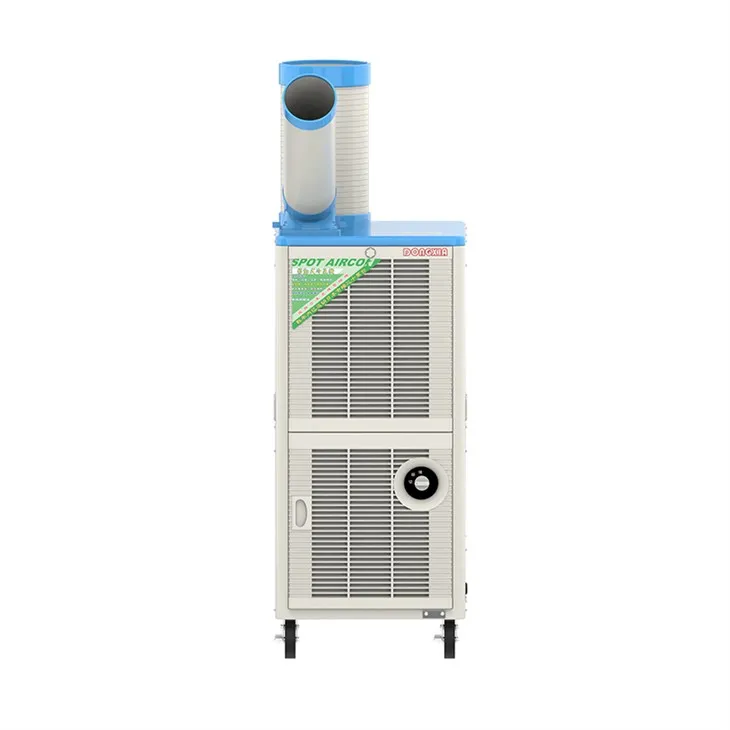
Another great choice is the Dual Discharge Industrial Air Cooler. This type of air cooler has a dual - discharge design, which allows it to distribute cool air more evenly throughout the storage room. It is especially useful for storage rooms with irregular shapes or large open spaces.
For storage rooms that are located outdoors or need to be used in an outdoor setting, the Outdoor Air Conditioner is a perfect solution. It is built to withstand harsh weather conditions and can provide reliable cooling performance.
Factors to Consider When Using an Air Conditioner in a Storage Room
Before installing an air conditioner in a storage room, there are several factors that need to be considered.
Size of the Storage Room: The size of the storage room determines the cooling capacity of the air conditioner needed. A too - small air conditioner will not be able to cool the room effectively, while an oversized one will waste energy. You need to calculate the square footage of the storage room and choose an air conditioner with an appropriate BTU (British Thermal Unit) rating.
Insulation: The insulation of the storage room plays a vital role in the efficiency of the air conditioner. A well - insulated storage room will retain the cool air better, reducing the workload of the air conditioner and saving energy. If the storage room has poor insulation, you may need to invest in insulation materials such as foam boards or fiberglass insulation.
Ventilation: Adequate ventilation is necessary to ensure the proper operation of the air conditioner. The air conditioner needs to exchange air with the outside to remove heat and moisture. Make sure there are proper vents in the storage room to allow for air circulation.
Benefits of Using an Air Conditioner in a Storage Room
Using an air conditioner in a storage room offers numerous benefits.
Protection of Stored Items: As mentioned earlier, an air conditioner can protect the items stored in the room from damage caused by high temperatures. This is especially important for valuable items such as antiques, artworks, and important documents.
Improved Air Quality: An air conditioner can filter out dust, pollen, and other pollutants from the air in the storage room. This helps to maintain a clean and healthy environment for the stored items.
Energy Efficiency: Modern air conditioners are designed to be energy - efficient. By choosing the right air conditioner and using it properly, you can reduce energy consumption and save on electricity bills.
How to Choose the Right Air Conditioner for Your Storage Room
When choosing an air conditioner for your storage room, you should consider the following aspects:
Cooling Capacity: As mentioned, match the cooling capacity of the air conditioner to the size of the storage room. You can consult an air conditioner expert or use online calculators to determine the appropriate BTU rating.
Energy Efficiency Rating: Look for air conditioners with a high Energy Efficiency Ratio (EER) or Seasonal Energy Efficiency Ratio (SEER). These ratings indicate how efficiently the air conditioner uses energy.
Noise Level: If the storage room is located near living areas or workspaces, you may want to choose an air conditioner with a low noise level.

Maintenance of Air Conditioners in Storage Rooms
Proper maintenance is essential to ensure the long - term performance of the air conditioner in the storage room.
Regular Cleaning: Clean the air filters regularly to prevent dust and debris from clogging them. This will improve the efficiency of the air conditioner and extend its lifespan.
Inspection: Have the air conditioner inspected by a professional at least once a year. They can check for any potential problems and perform necessary repairs.
Refrigerant Level: Make sure the refrigerant level is maintained at the appropriate level. Low refrigerant levels can cause the air conditioner to malfunction.
Conclusion
In conclusion, an air conditioner can definitely be used in a storage room. It offers many benefits, including protecting stored items, improving air quality, and energy efficiency. By considering the factors mentioned above, choosing the right air conditioner, and performing regular maintenance, you can ensure that your storage room remains at a comfortable and stable temperature.
If you are interested in purchasing an air conditioner for your storage room, please feel free to contact us for more information and to start a procurement negotiation. We are committed to providing you with the best air - conditioning solutions.
References
- ASHRAE Handbook - HVAC Systems and Equipment. American Society of Heating, Refrigerating and Air - Conditioning Engineers.
- Air Conditioning Contractors of America (ACCA) Manuals for sizing and installation of air - conditioning systems.


