


As a supplier of Commercial Spot Coolers, I often get asked if these devices can be used in a restaurant kitchen. It's a valid question, considering the unique environment of a restaurant kitchen with its high temperatures, humidity, and specific cooling needs. In this blog post, I'll dive into whether a commercial spot cooler is a good fit for a restaurant kitchen, exploring its benefits, limitations, and some key considerations.
Understanding the Restaurant Kitchen Environment
Let's first take a look at what a typical restaurant kitchen is like. It's a place where heat is constantly generated from stoves, ovens, grills, and other cooking equipment. This results in extremely high temperatures, often well above the comfortable range for human beings. Moreover, the steam from cooking creates high humidity levels, which can make the environment even more uncomfortable. The combination of heat and humidity can not only make it difficult for kitchen staff to work efficiently but also pose risks to their health, such as heat exhaustion and dehydration.
Benefits of Using a Commercial Spot Cooler in a Restaurant Kitchen
1. Targeted Cooling
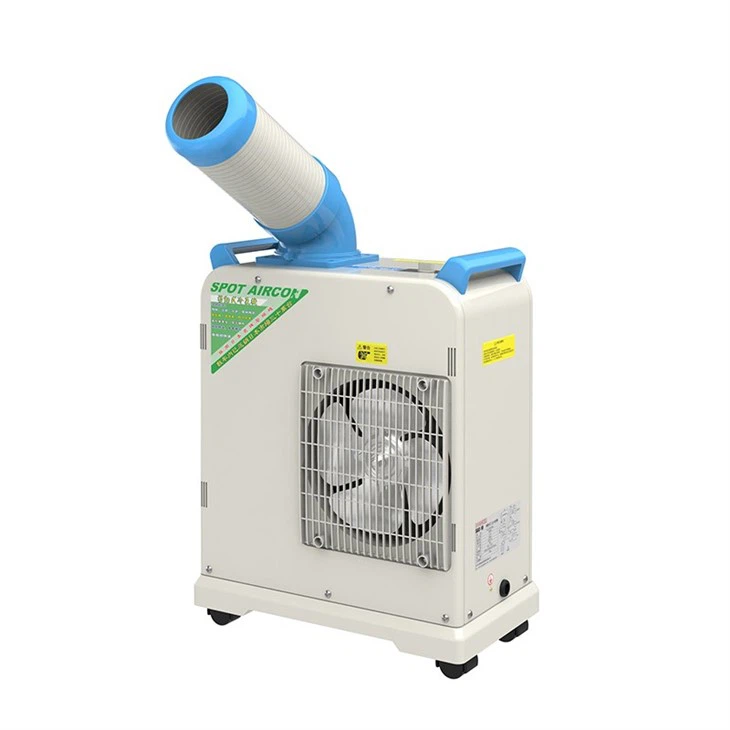
One of the biggest advantages of a commercial spot cooler is its ability to provide targeted cooling. In a restaurant kitchen, different areas may have different heat sources and cooling requirements. For example, the area around the stoves and grills will be much hotter than the prep area. A spot cooler can be positioned right where the cooling is needed most, effectively lowering the temperature in that specific spot. This means that kitchen staff can work in a more comfortable environment, which can improve their productivity and reduce the risk of heat-related illnesses.

2. Energy Efficiency
Compared to traditional central air conditioning systems, commercial spot coolers are generally more energy-efficient. Central air conditioners are designed to cool an entire space, which can be a waste of energy in a large restaurant kitchen where only certain areas need cooling. Spot coolers, on the other hand, only consume energy when they are operating in the specific areas where cooling is required. This can lead to significant cost savings on energy bills in the long run.
3. Flexibility
Commercial spot coolers offer a high degree of flexibility. They are usually portable, which means they can be easily moved around the kitchen as needed. If a particular cooking station is getting too hot on a busy night, you can simply move the spot cooler to that area. This adaptability makes spot coolers a great option for restaurant kitchens, where the cooking layout and heat distribution can change depending on the menu and the number of customers.
Limitations of Using a Commercial Spot Cooler in a Restaurant Kitchen
1. Limited Cooling Capacity
While spot coolers are great for targeted cooling, they do have limited cooling capacity compared to large central air conditioning systems. If your restaurant kitchen is extremely large or has a very high heat load, a single or even multiple spot coolers may not be able to cool the entire space effectively. In such cases, you may need to consider using spot coolers in conjunction with other cooling systems.
2. Noise Level
Some commercial spot coolers can be quite noisy, which can be a problem in a restaurant kitchen. The noise can interfere with communication between kitchen staff and may also be audible to customers in the dining area if the kitchen is open or has poor sound insulation. When choosing a spot cooler for your restaurant kitchen, it's important to look for models that are designed to operate quietly.
Key Considerations When Using a Commercial Spot Cooler in a Restaurant Kitchen
1. Size and Capacity
Before purchasing a commercial spot cooler, it's crucial to determine the size and capacity you need. Consider the size of your kitchen, the number and type of heat sources, and the number of staff working in the area. A professional HVAC technician can help you calculate the appropriate cooling capacity based on these factors.
2. Ventilation
Proper ventilation is essential when using a spot cooler in a restaurant kitchen. The spot cooler needs to be able to exhaust hot air outside, so it's important to have a suitable ventilation system in place. Make sure that the exhaust duct is properly installed and that it does not cause any obstructions or safety hazards.
3. Maintenance
Like any other cooling equipment, commercial spot coolers require regular maintenance to ensure optimal performance. This includes cleaning the filters, checking the refrigerant levels, and inspecting the electrical components. Make sure to follow the manufacturer's maintenance instructions and schedule regular servicing by a qualified technician.
Different Types of Spot Coolers for Restaurant Kitchens
When it comes to choosing a spot cooler for your restaurant kitchen, you have several options. You can check out our Outdoor Spot Cooler if you need a cooler that can withstand outdoor conditions or be used in areas with high heat exposure. Our Portable Spot Cooler is a great choice if you need the flexibility to move the cooler around the kitchen easily. And of course, our Commercial Spot Cooler is specifically designed for commercial use, with features and capacities suitable for restaurant kitchens.
Conclusion
So, can a commercial spot cooler be used in a restaurant kitchen? The answer is yes, in many cases. A commercial spot cooler can provide targeted cooling, energy efficiency, and flexibility, making it a great option for reducing the heat in specific areas of the kitchen. However, it's important to consider its limitations and take into account factors such as size, capacity, ventilation, and maintenance.
If you're interested in purchasing a commercial spot cooler for your restaurant kitchen, I'd love to have a chat with you. We can discuss your specific needs and help you choose the right spot cooler for your business. Contact me to start the procurement discussion and let's create a more comfortable working environment for your kitchen staff.
References
- Smith, J. (2020). Understanding the Importance of Cooling in Commercial Kitchens. Journal of Hospitality and Foodservice Management.
- Davis, R. (2021). Energy-Efficient Cooling Solutions for Small Businesses. Energy Efficiency Journal.


