


Hey there! As an air conditioning units supplier, I've seen my fair share of non - cooling AC units. It can be super frustrating when you turn on your AC, expecting a blast of cool air, but instead, you get nothing but warm air. Don't worry, though. I'm here to walk you through how to troubleshoot a non - cooling air conditioning unit.
Check the Thermostat
The first thing you should do is take a look at the thermostat. Sometimes, it's the simplest things that cause the problem. Make sure the thermostat is set to "cool" mode. Sounds obvious, but you'd be surprised how many times people forget to switch it from "heat" to "cool." Also, check the temperature setting. If it's set too high, the AC won't kick in to cool the room.
If your thermostat is a programmable one, ensure that the schedule is set correctly. It might be set to a higher temperature during certain hours, thinking you're not home or don't need as much cooling.
Another thing to check is the batteries in a battery - operated thermostat. Dead batteries can cause the thermostat to malfunction, leading to your AC not cooling. Replace the batteries if needed and see if that solves the issue.
Inspect the Air Filter
A dirty air filter is one of the most common reasons for an AC unit not cooling properly. When the air filter is clogged with dust, dirt, and debris, it restricts the airflow. This means that the AC can't draw in enough warm air to cool it, and it struggles to function efficiently.
You can usually find the air filter near the return air duct or inside the indoor unit. Check the manufacturer's instructions to locate it. If the filter looks dirty, it's time to clean or replace it. For reusable filters, you can wash them with mild soap and water and let them dry completely before putting them back in. Disposable filters should be replaced every 1 - 3 months, depending on usage.
Examine the Condenser Unit
The condenser unit is the outdoor part of your AC system. It plays a crucial role in releasing heat from the refrigerant. First, make sure the condenser unit is turned on and getting power. Check the circuit breaker to see if it has tripped. If it has, reset it and see if the unit starts working.
Next, look at the condenser coils. Over time, these coils can get dirty, just like the air filter. Dirt and debris on the coils can prevent the heat transfer process from happening efficiently. You can use a soft brush or a coil cleaner to gently clean the coils. Be careful not to damage them while cleaning.
Also, check the fan in the condenser unit. The fan helps to blow air over the coils to dissipate heat. If the fan isn't working, the condenser unit won't be able to release heat properly, and your AC won't cool. You can try to spin the fan blade by hand. If it's stuck or doesn't spin freely, there might be an issue with the motor or the bearings. In this case, it's best to call a professional technician.
Look at the Refrigerant Levels
Refrigerant is the substance that cools the air in your AC system. If there's a refrigerant leak, the AC won't be able to cool effectively. However, checking the refrigerant levels is not a DIY job. Refrigerant is a controlled substance, and handling it requires special equipment and training.
If you suspect a refrigerant leak, you'll notice some signs. The AC might take longer to cool the room, or it might not cool at all. You might also hear hissing or bubbling sounds coming from the AC unit, which could indicate a leak. In this case, it's time to call in a professional HVAC technician. They can use specialized tools to detect the leak, repair it, and recharge the refrigerant to the proper levels.
Check for Blocked Vents and Ducts
Blocked vents and ducts can also prevent your AC from cooling your home properly. Make sure that all the vents in your home are open and not blocked by furniture, curtains, or other objects. You might be surprised at how much a blocked vent can affect the airflow.
Inspect the ductwork as well. Over time, ducts can develop leaks or become blocked with dirt and debris. If you notice any visible damage to the ducts, such as holes or loose connections, it's a good idea to have them repaired. You can also have your ducts professionally cleaned to improve the airflow and the efficiency of your AC system.
Consider the Age and Condition of the Unit
If your AC unit is old, it might simply be reaching the end of its lifespan. Most air conditioning units last between 10 - 15 years, depending on usage and maintenance. If your unit is approaching or has exceeded this age range, it might be more prone to breakdowns and inefficiencies.
In some cases, it might be more cost - effective to replace the unit rather than trying to repair it multiple times. As an air conditioning units supplier, I can offer you a range of options, including Outdoor Air Conditioning Units and Portable Air Conditioning Units. These units are designed to be energy - efficient and reliable, and they can provide you with the cooling you need.
Conclusion
Troubleshooting a non - cooling air conditioning unit can seem like a daunting task, but by following these steps, you can often identify and fix the problem. Start with the simple things like checking the thermostat and air filter. If those don't solve the issue, move on to inspecting the condenser unit, refrigerant levels, vents, and ducts.

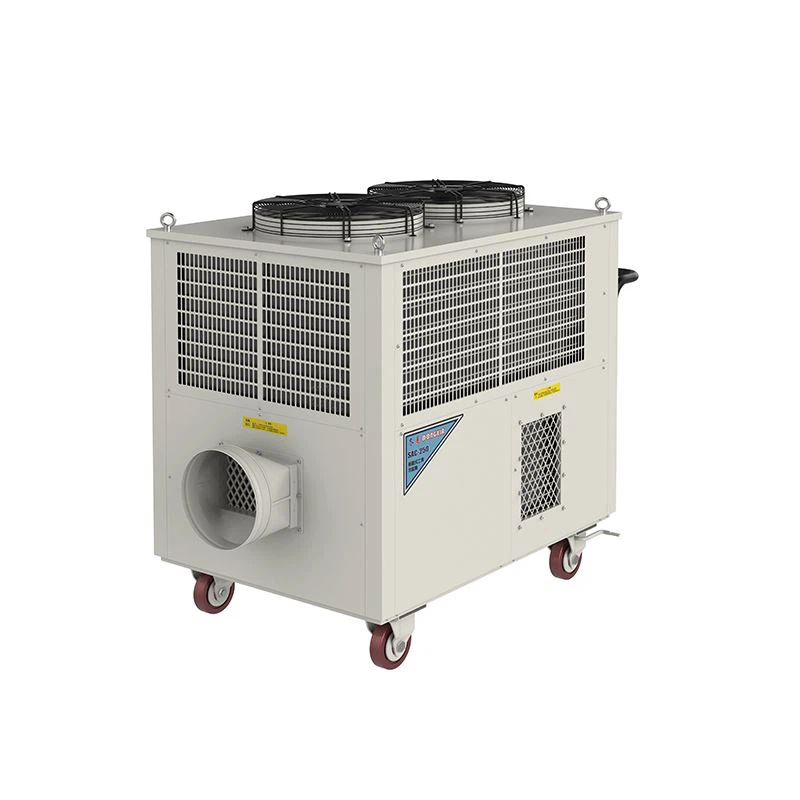
If you're still having trouble or if you're not comfortable performing these checks yourself, don't hesitate to call a professional HVAC technician. And if you're in the market for a new air conditioning unit, I'm here to help. Whether you need an outdoor unit for a large space or a portable unit for a smaller area, I can provide you with the right solution. Contact me to discuss your needs and start the procurement process. Let's get your home cool and comfortable again!
References
- "HVAC Systems for Dummies" by Carey and Tom Horvath
- Manufacturer's manuals for various air conditioning units
- Industry best practices for air conditioning maintenance and troubleshooting


